The seasons have turned—a fitting moment to begin testing a digital story about change, migration and the rhythms of the natural world.
I joined Beth Cochrane, Nature Connections Officer at RSPB Scotland—a role funded by NHS Lothian Charity as part of its Green Health Programme—at the Western General Hospital in Edinburgh to begin the first round of testing for Wild Wings of Hope in AR, developed with support from Immersive Arts.
After almost a year of design and development, this was the first time we would place the experience into the hands of the people it had been created for.
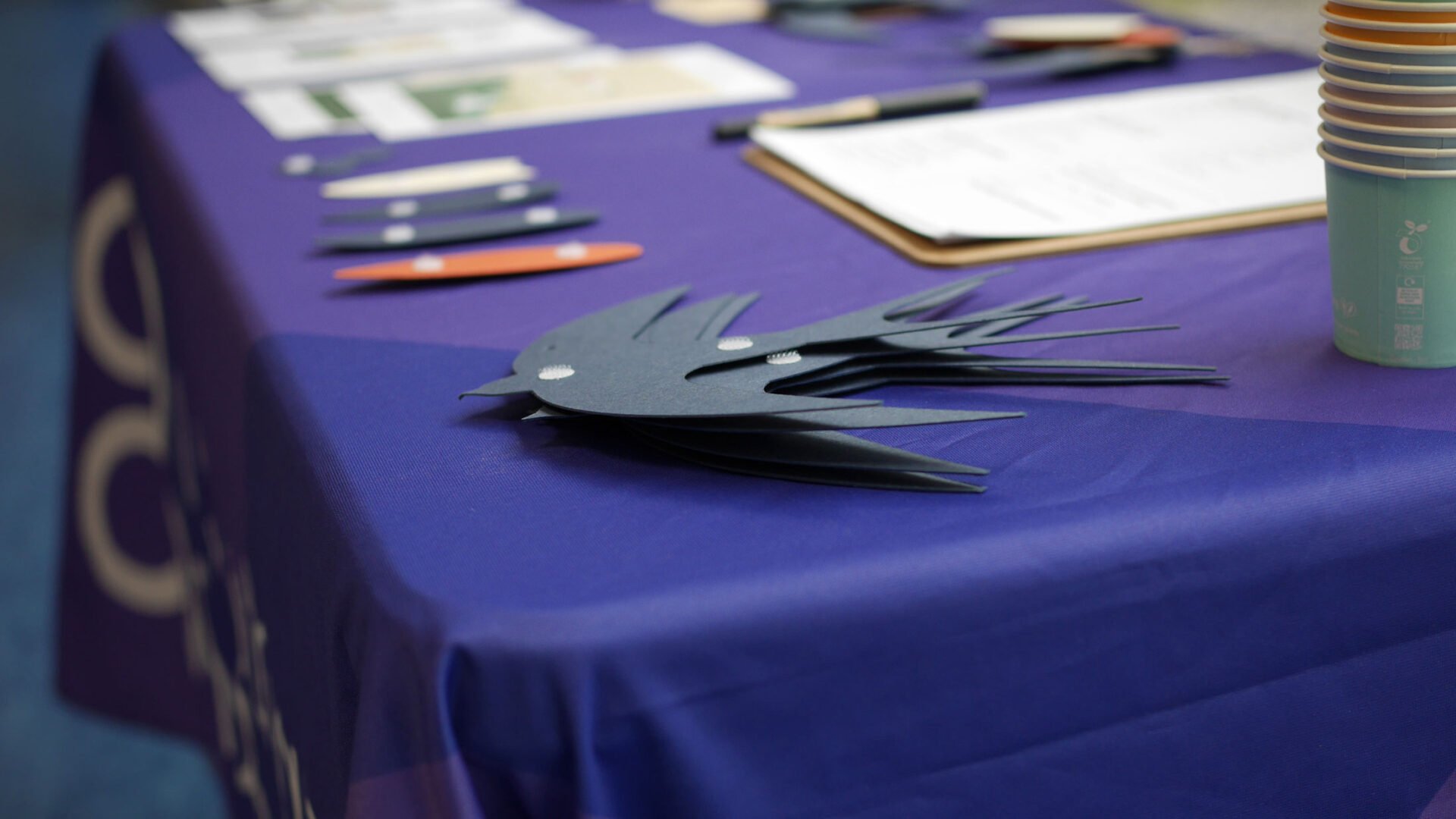
We set up in the Anne Ferguson Community Café with a small collection of paper barn swallow kits, augmented reality story postcards and questionnaires for gathering feedback.
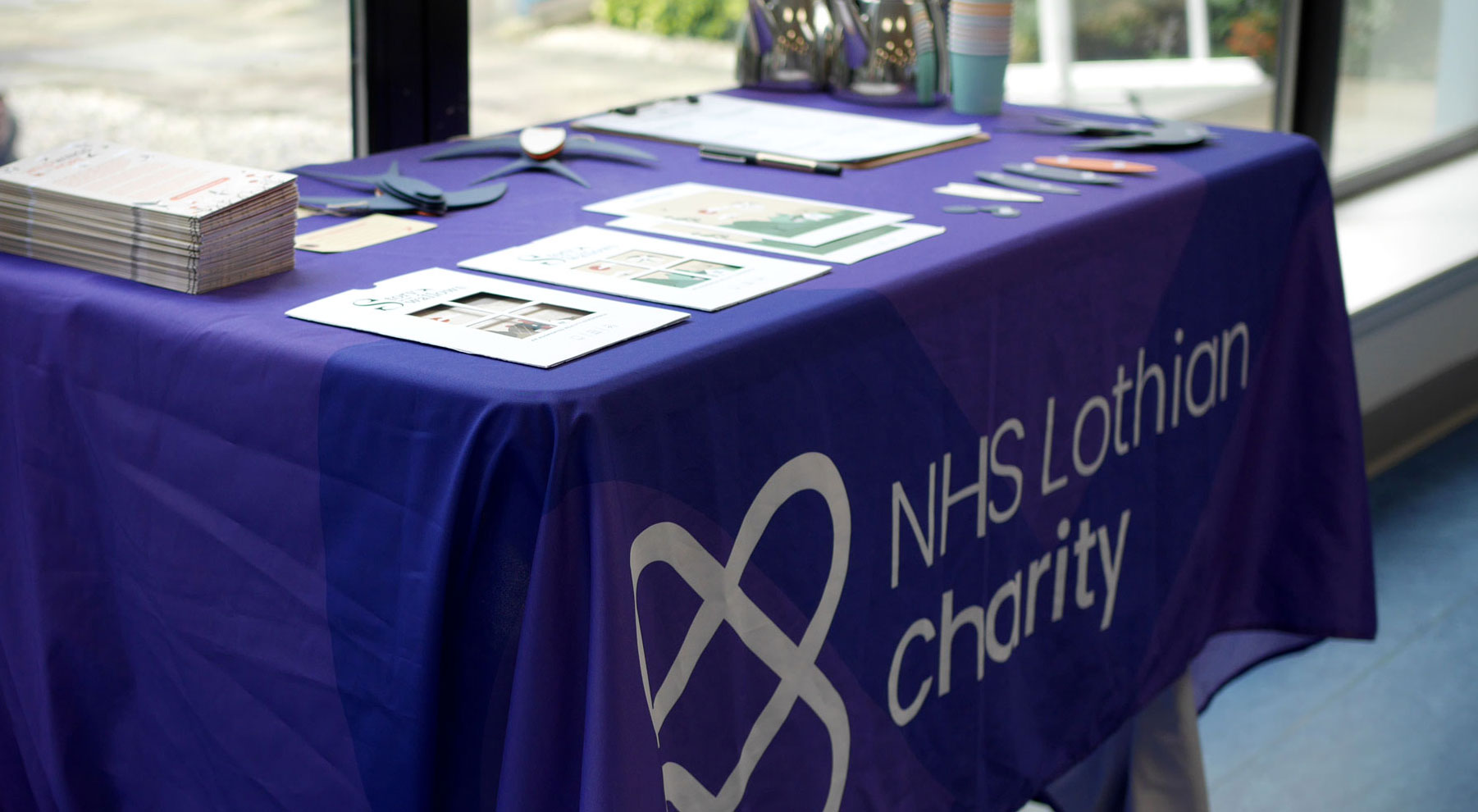
Beth’s work at the Western General Hospital extends beyond our testing session. Through RSPB Scotland, and as part of NHS Lothian Charity’s Green Health Programme, she helps people discover small, accessible ways to connect with the natural world—even within a busy hospital setting.
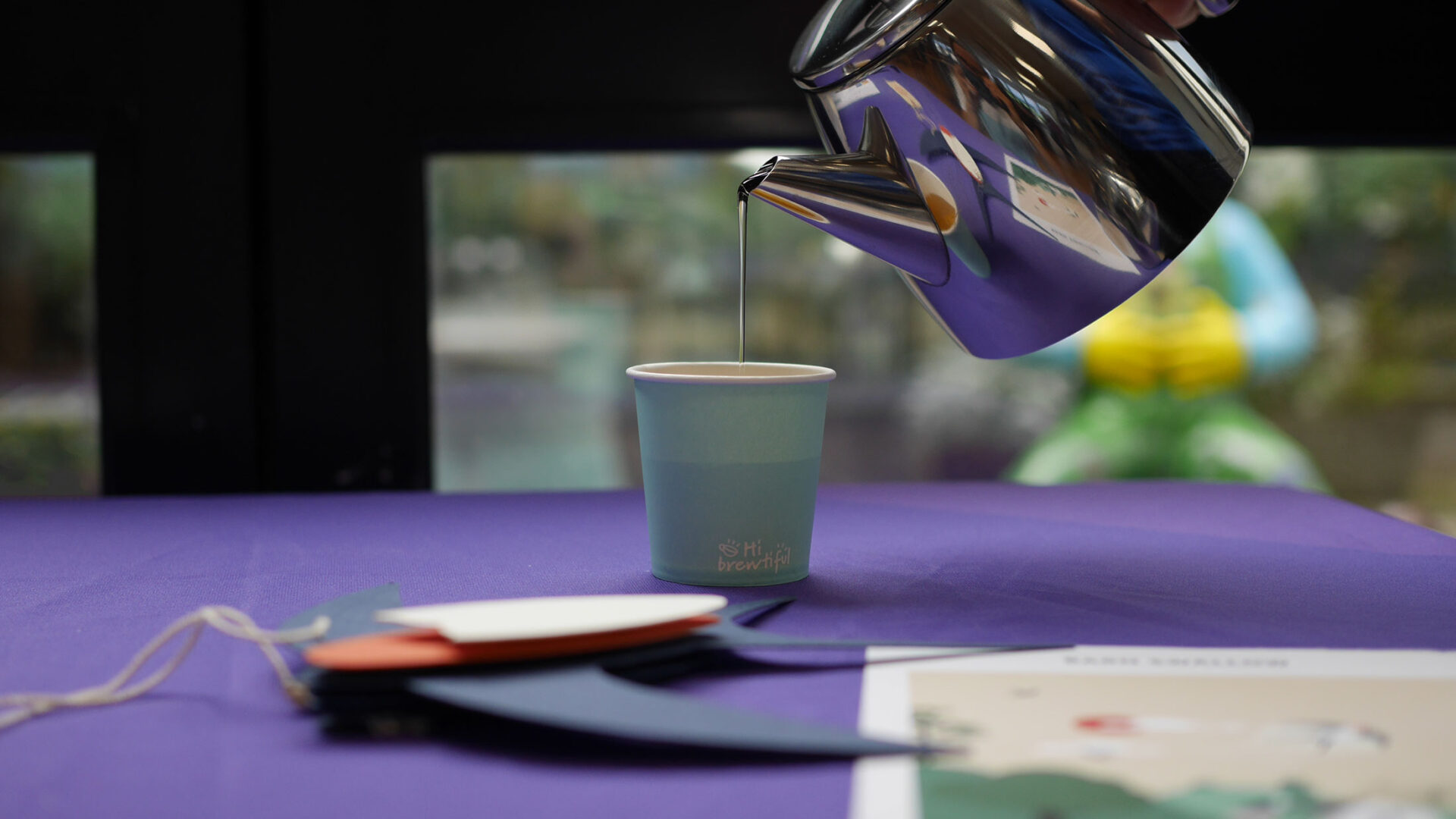
That morning, she thoughtfully brought along two teapots and a choice of loose-leaf tea (chamomile or rose petal) to share with participants. Alongside helping me test the AR experience, she is also here to offer another gentle invitation into nature: the RSPB Nature Prescriptions calendar.
Together, we invited people to pause, have a cup of tea and explore the project in their own time.
There is a lovely alignment between the two projects.
Both guide people gently through the seasons.
Both invite us to slow down and pay attention.
Both suggest that even a small encounter with nature—glimpsed through a window or discovered through a postcard held in your hands—can create a moment of reflection and connection.
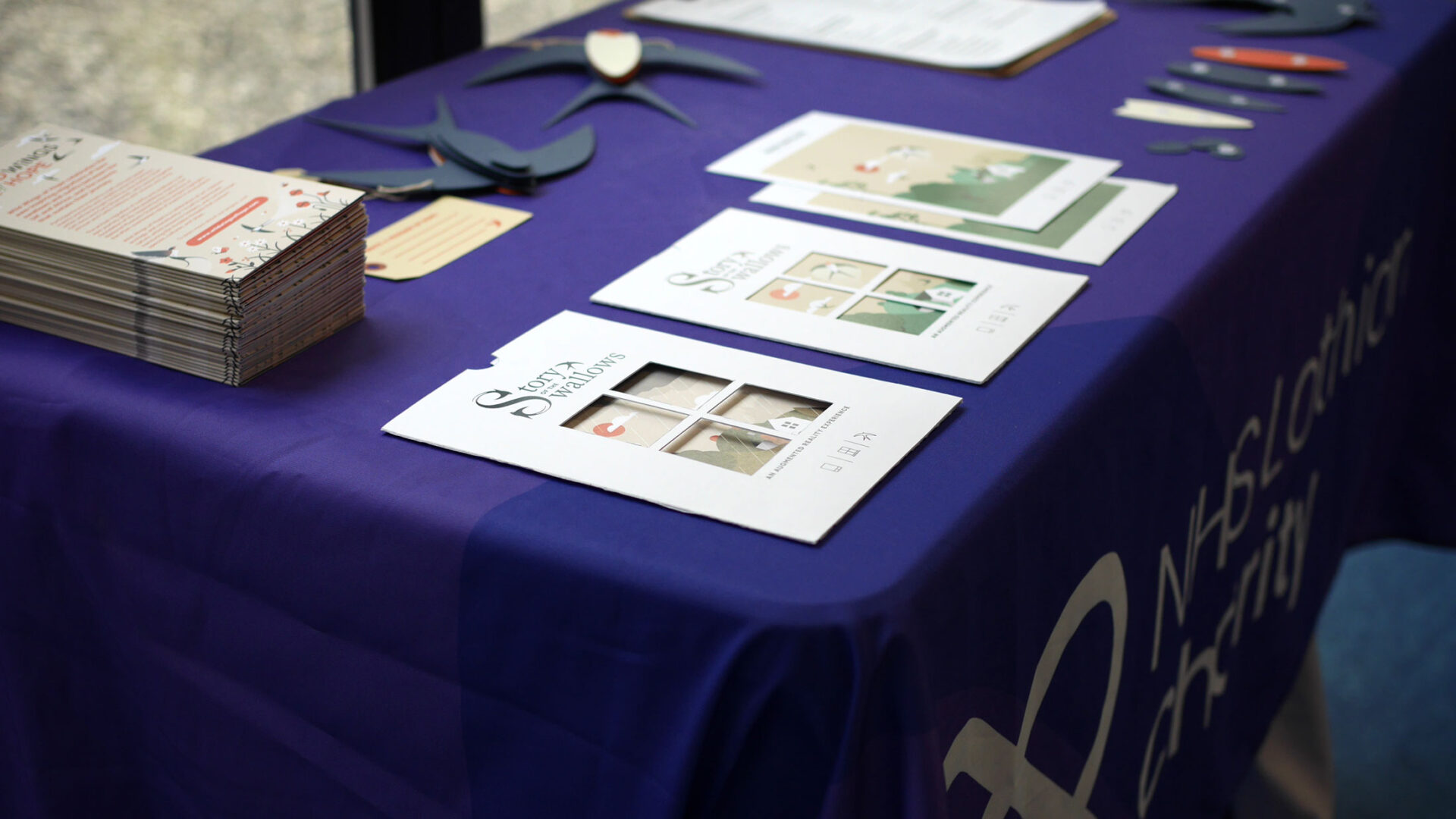


Some were drawn towards the barn swallow artwork and papercuts. Others stopped because they recognised the RSPB and wanted to talk about birds or conservation. A few were simply looking for something to do while waiting for results, appointments or loved ones.
Everyone who joined us that morning was, in one way or another, passing through a period of waiting.
And for a short while, the craft kits and interactive storytelling experience of the swallow’s journey offered somewhere else to go.
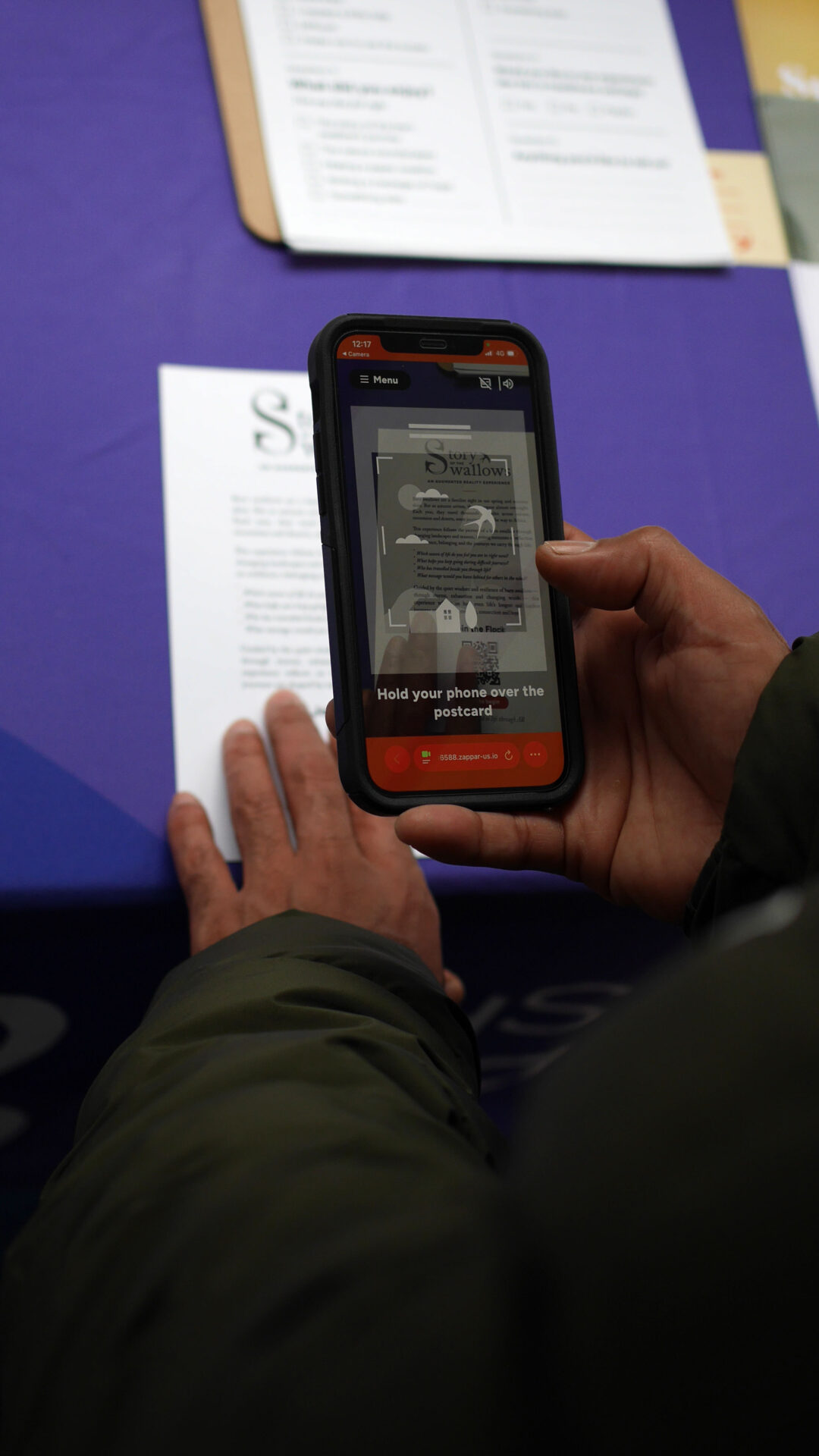
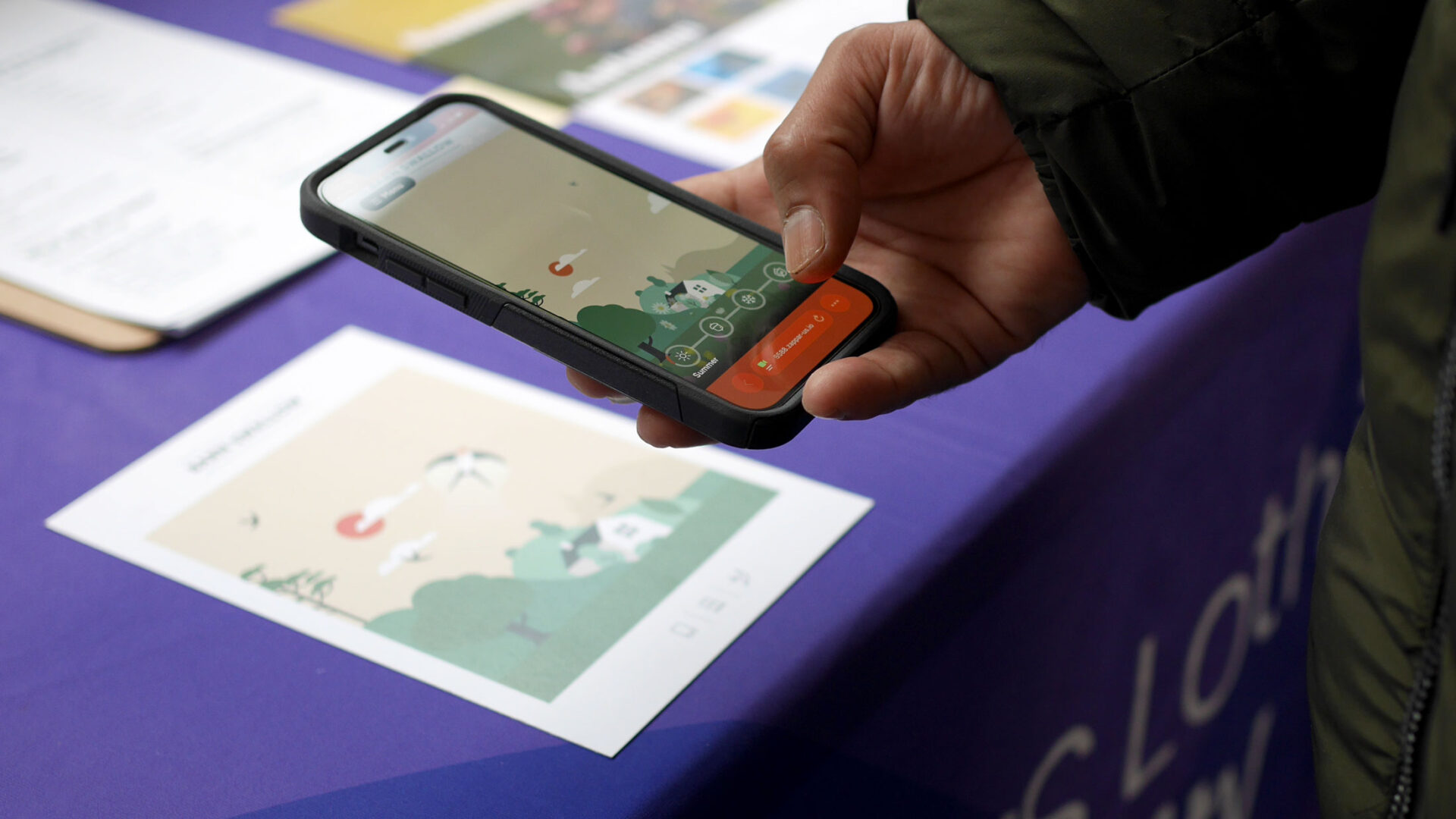

A window into a swallow’s world
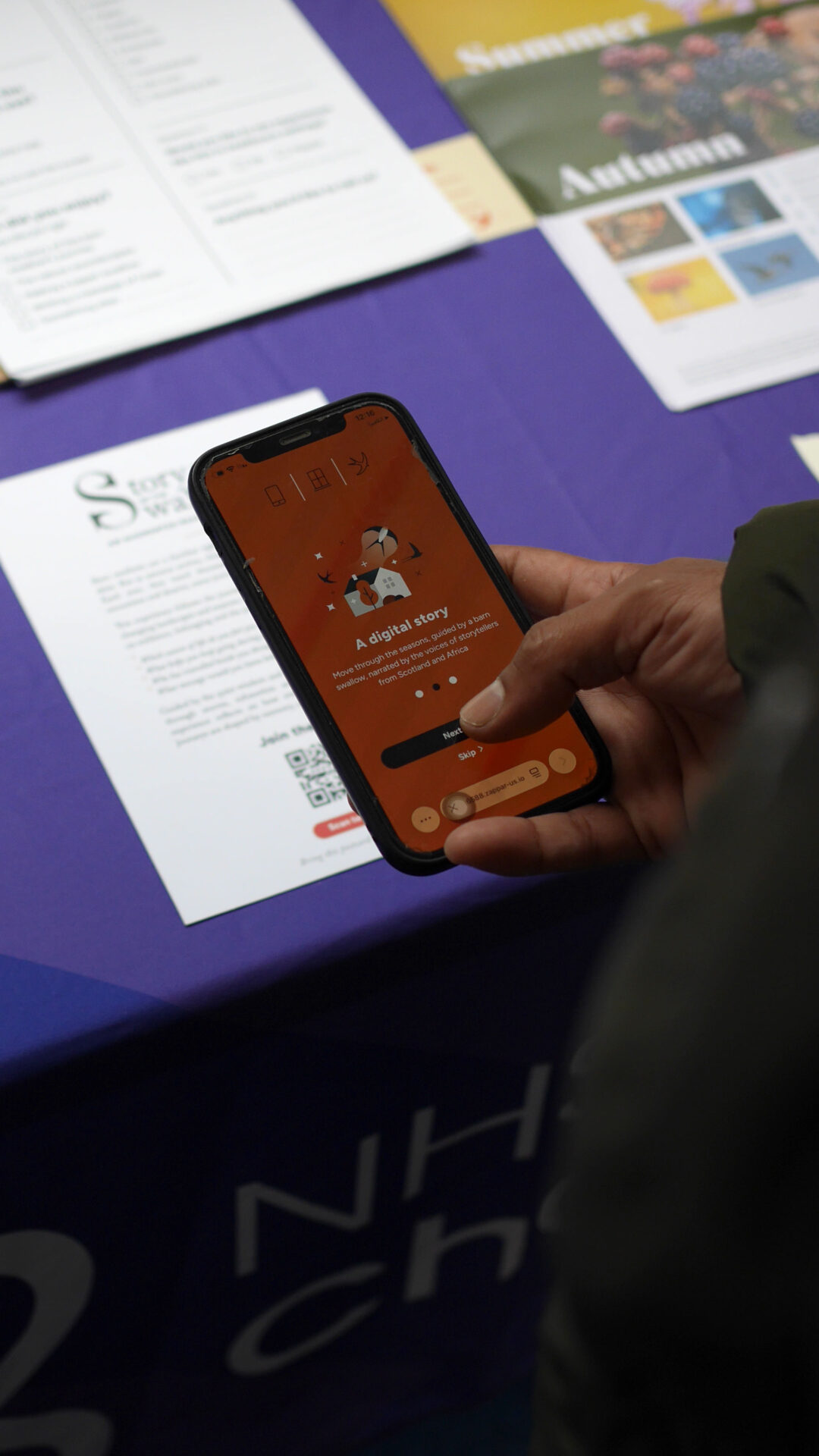
Wild Wings of Hope in AR brings together papercraft, oral storytelling and augmented reality.
Beginning with a printed postcard, participants use a phone or tablet to follow a barn swallow travelling between the UK and Africa.
Guided by storytellers rooted in Celtic and African traditions, the experience interweaves folklore with the ecology of migration.
Landscapes and swallows come to life within the postcard before eventually taking flight into the space around the viewer, allowing the story to unfold beyond the screen and within their physical surroundings—creating a moment of awe and wonder.
A lovely little journey.
The technology may be new, but the invitation at its heart is simple: to pause, listen and feel connected to the changing natural world.
This feels especially important in hospitals and care settings, where access to the outdoors may be limited.
Augmented reality—like any technology—cannot replace standing beneath an open sky or watching barn swallows gather overhead.
But perhaps it can offer a small window into that world—a moment of wonder carried somewhere it may be needed most.
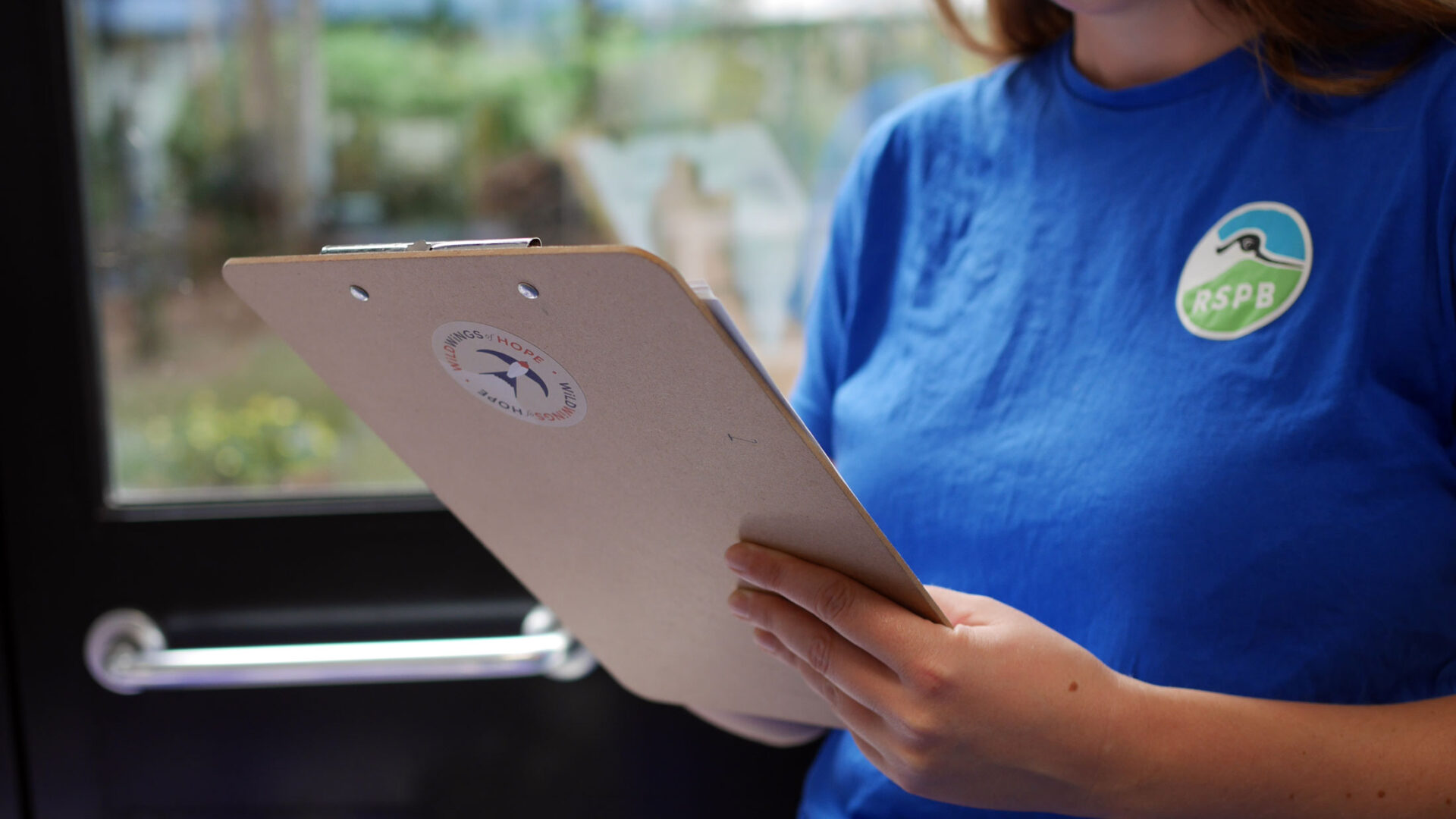
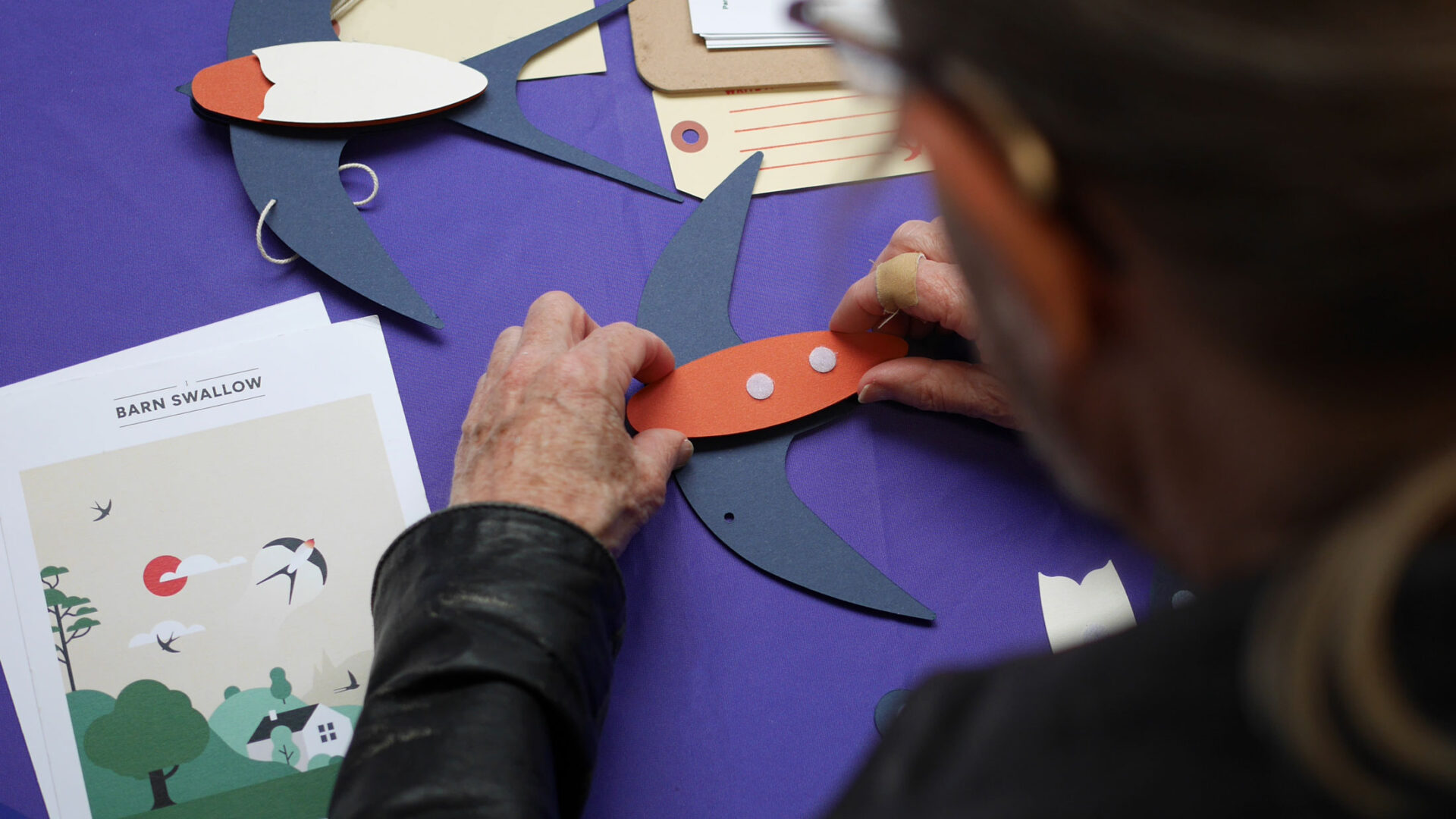
Testing the papercraft
The digital experience also sits alongside something tactile.
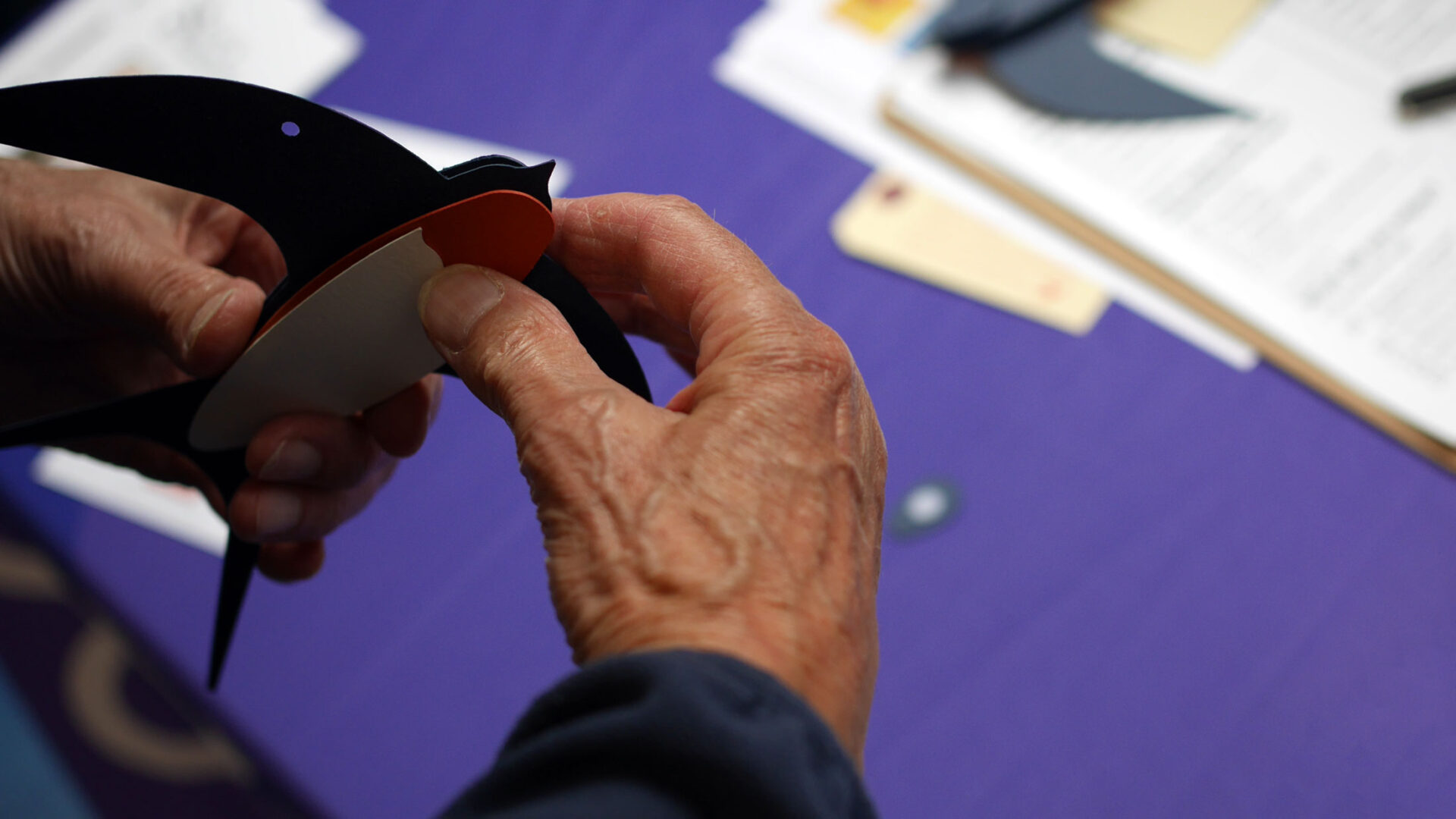
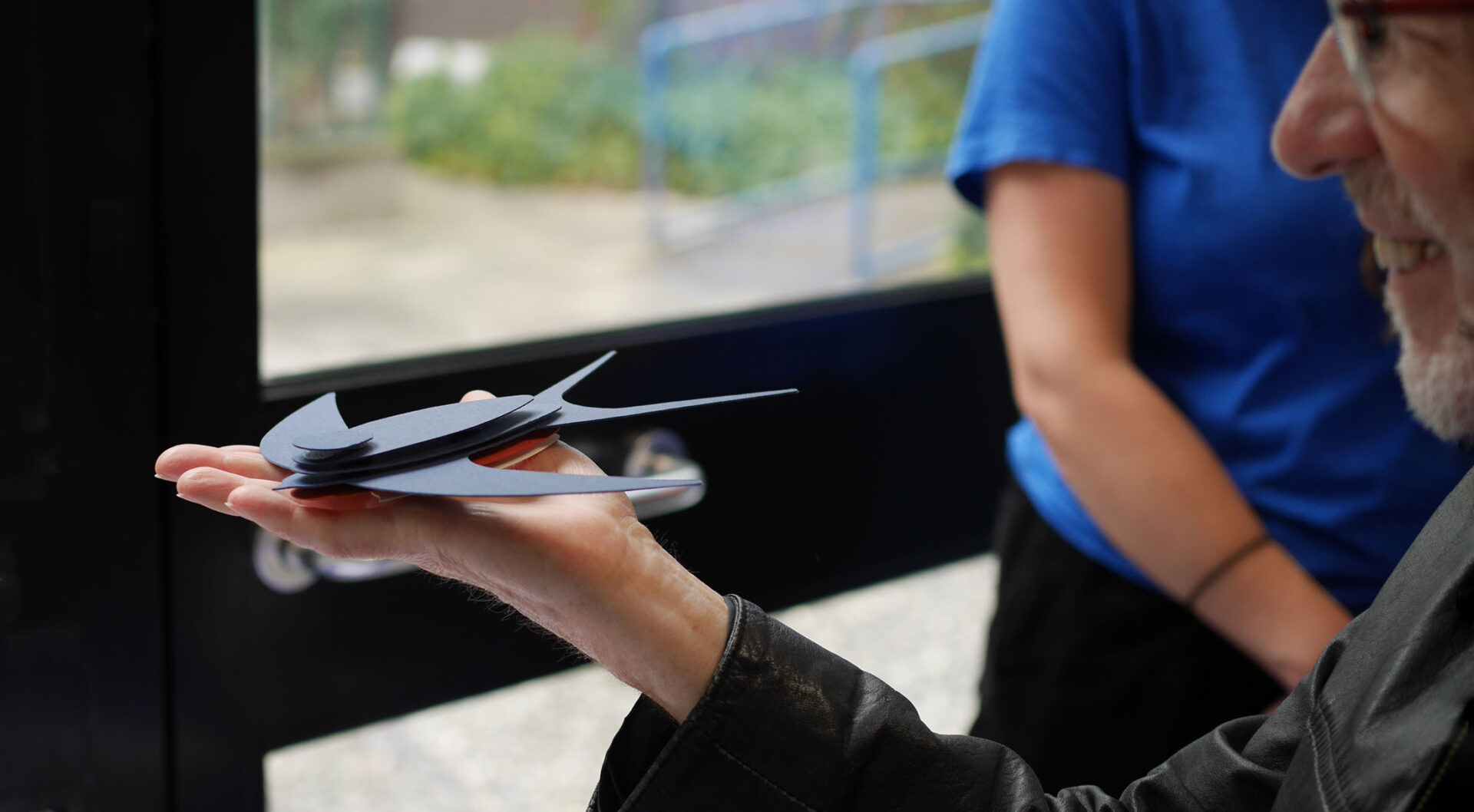
After following the story, participants can make their own paper barn swallow, holding the same species whose journey they have just shared.
And there is something lovely about watching people move between the two, as a bird first encountered through a screen becomes a physical, crafted object held carefully in their hands.
Until this point, the project had mostly existed in sketchbooks, audio recordings, animation files and many collaborative conversations.
It had grown through close collaboration with Cara and Gift, whose voices carry the story, and augmented reality developer Tanya Parker, who helped us find a way for the illustrations and ideas to live beyond the page.
Now, we needed to step outside our own familiarity with the project and discover how it felt to encounter it afresh.
Was it easy to follow? Did the pace leave enough time to listen and look? Most importantly, did it create the reflection, emotional connection and gentle curiosity we had hoped for?
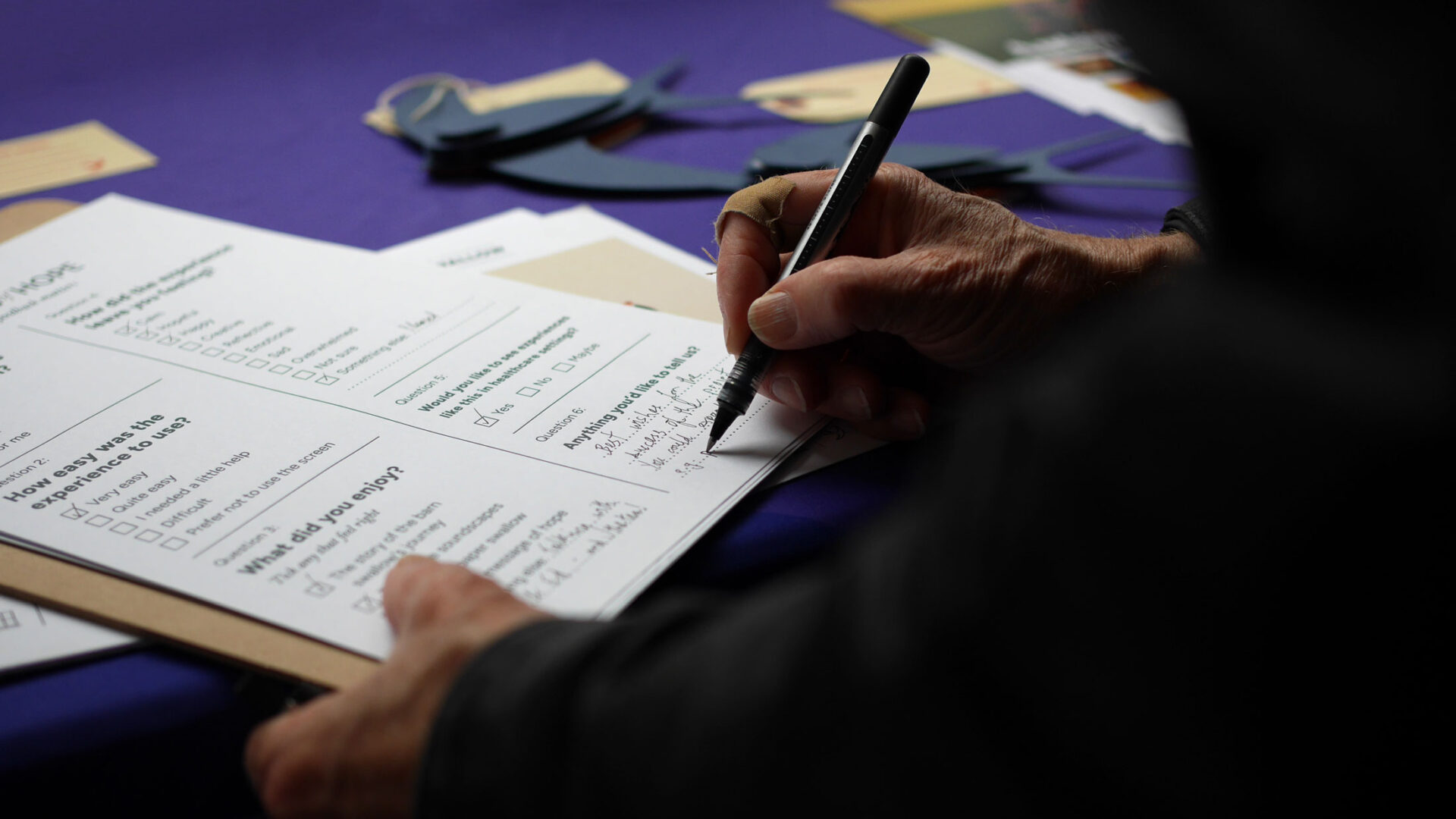
Our visitors were of different ages and backgrounds, with varying levels of confidence using technology. Their responses will help us refine the experience—not only technically, but with greater care for the different ways people listen, interact and take part.
This first session gave us practical changes to make and confidence in what is already working. The prototype now returns to the studio for another round of careful adjustments before travelling into more care settings.
For a first test flight, that feels like a hopeful place to begin.
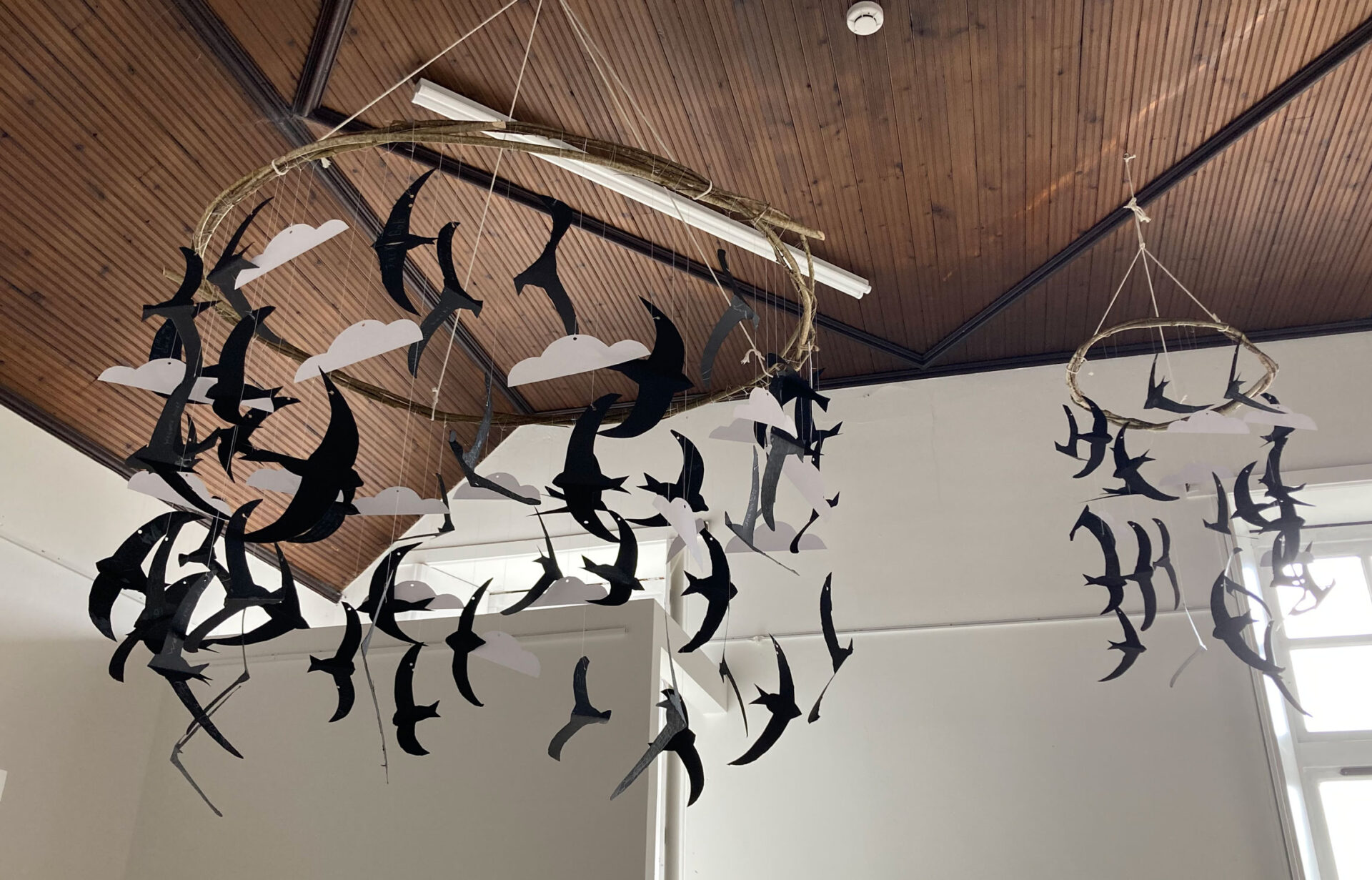
When ideas take flight
How one Wild Wings of Hope workshop inspired educators to create their own flock of swifts—bringing together schools and communities in the Scottish Cairngorms.
2