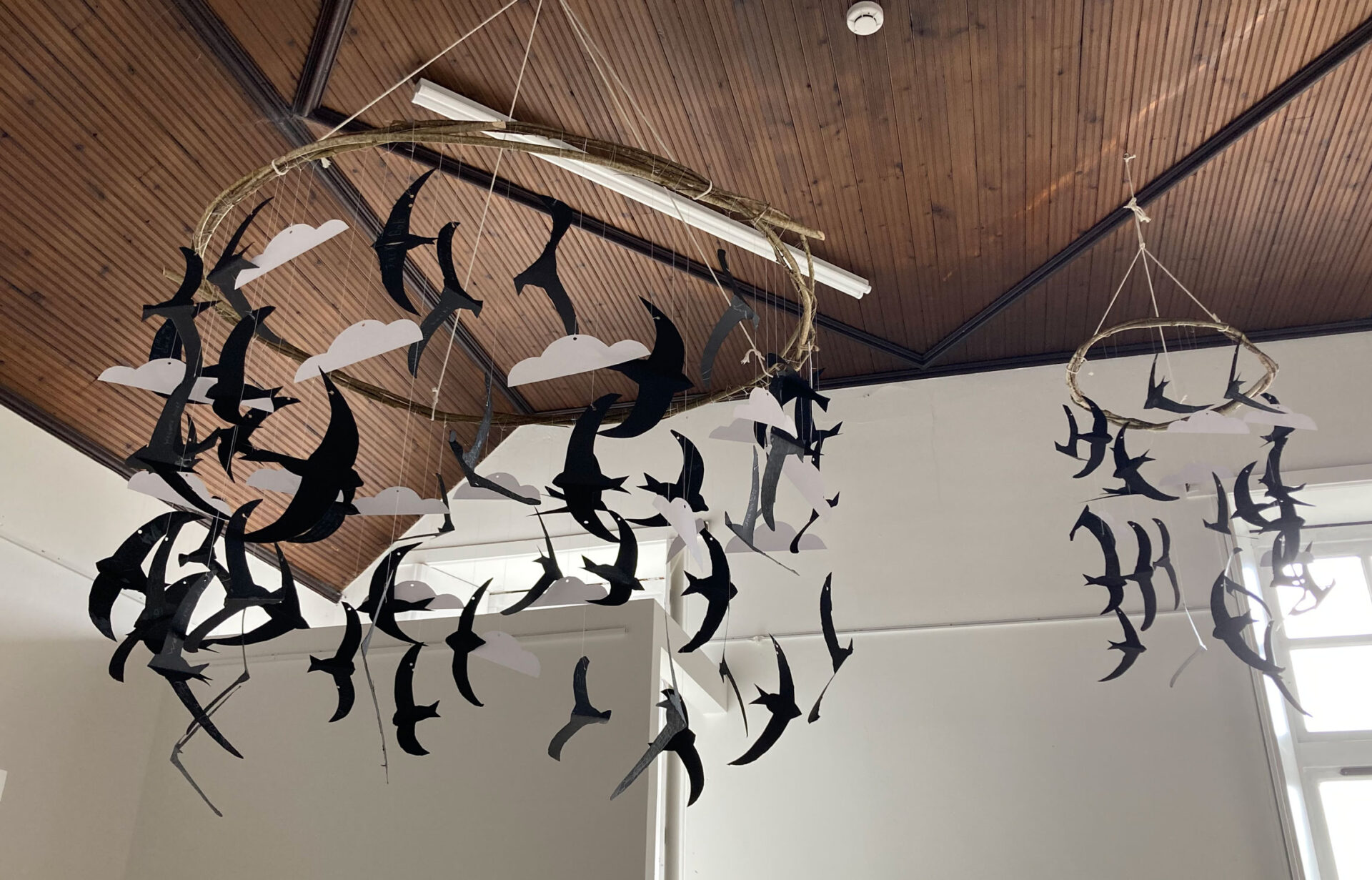
Following its public launch during the Scottish International Storytelling Festival, I’m delighted to have been invited back to the National Museum of Scotland to extend the Wild Wings of Hope exhibition for this year’s National Insect Week.
It’s a fitting next chapter for the project.
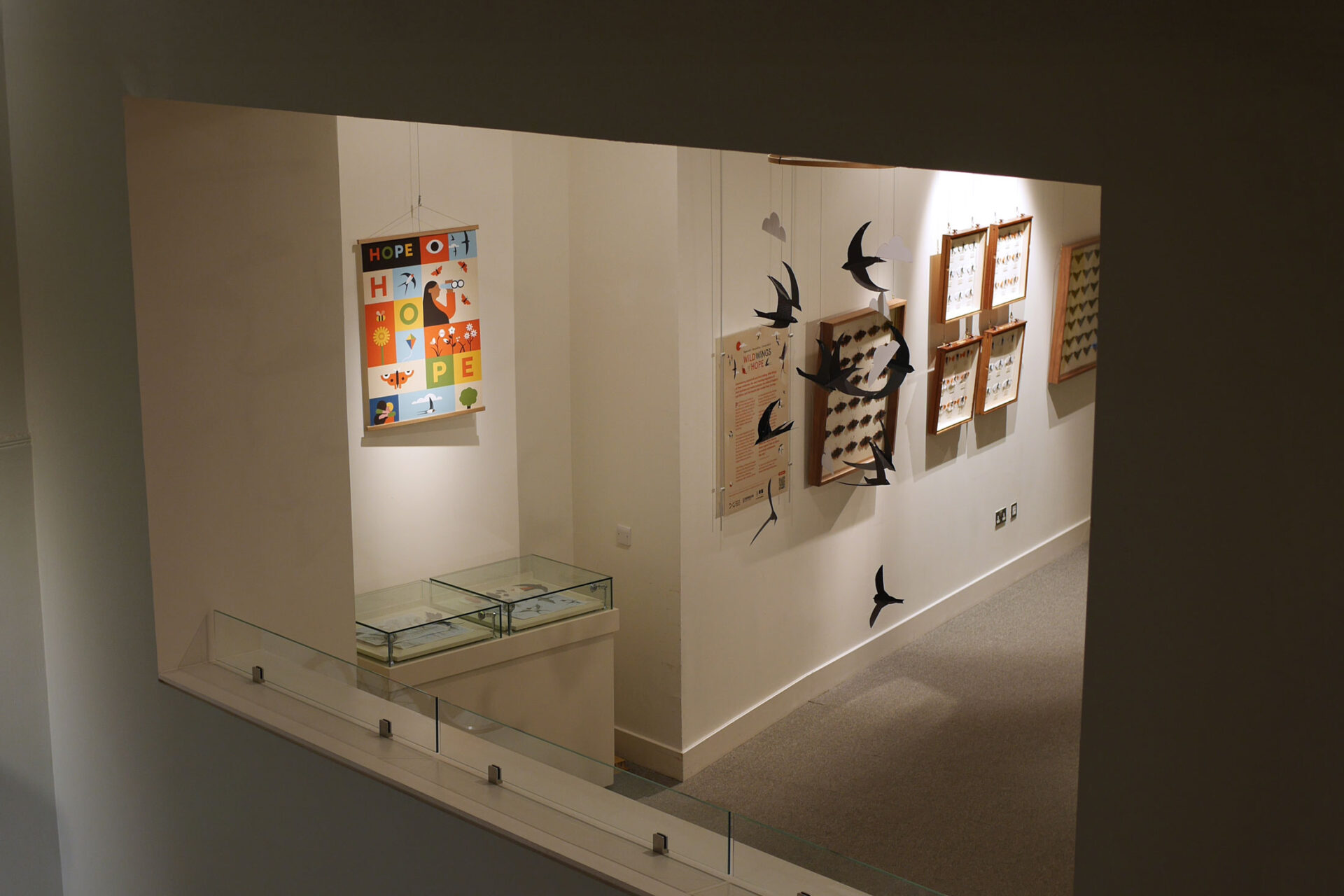
What began by celebrating the remarkable migrations of barn swallows and swifts has gradually expanded to explore another group of extraordinary travellers: insects. Alongside the suspended flock of co-created paper birds and hundreds of handwritten Messages of Hope, the exhibition now features a series of papercut insects inspired by research with the National Museums Scotland entomology collections.
At the heart of the exhibition are three remarkable species, each revealing a different story of movement, adaptation and connection.


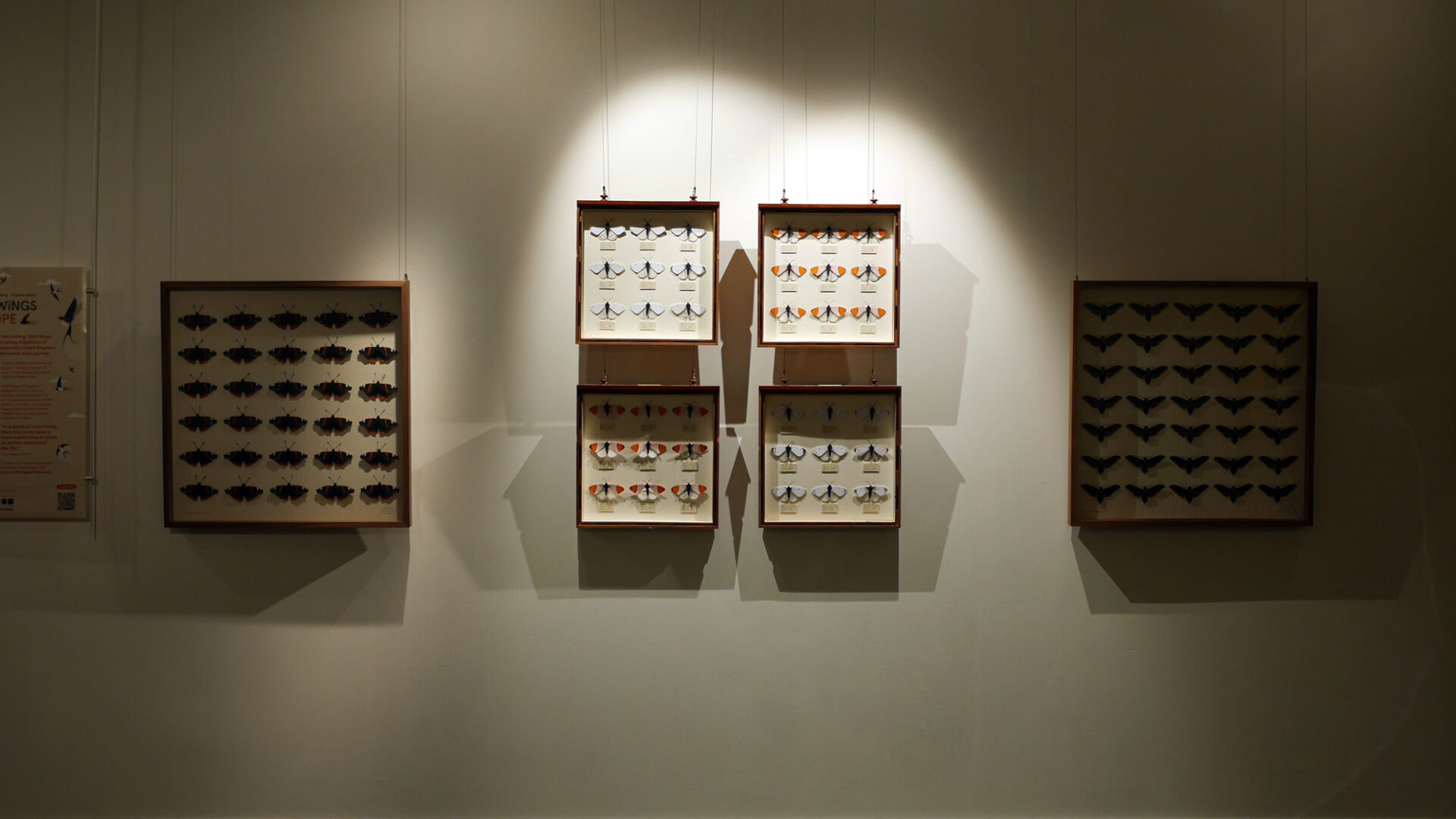
The Red Admiral butterfly (Vanessa atalanta) migrates between North Africa, Europe and the UK, while the Death’s-head Hawk-moth (Acherontia atropos), a rare visitor to Scotland, journeys north from Africa and southern Europe carrying centuries of folklore across cultures.
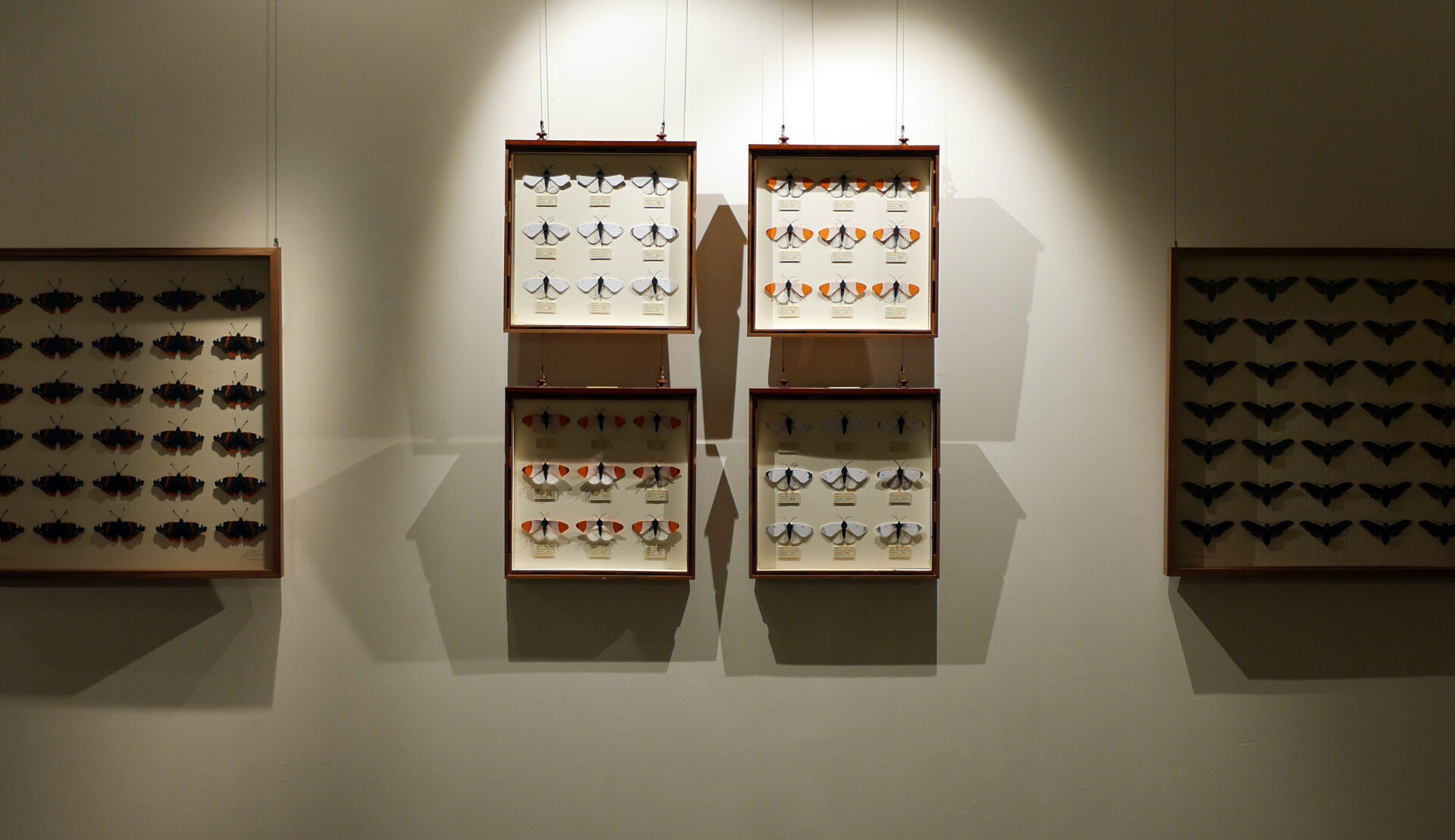
Completing the trio is the Orange-tip butterfly (Anthocharis cardamines), whose recent expansion northwards offers a quieter, more hopeful story of adaptation in a changing climate. Displayed across four butterfly cabinets (two male, two female), the co-created Orange-tips were made through a special event delivered in partnership with Ash Whiffin, the National Museum of Scotland and the Royal Entomological Society.

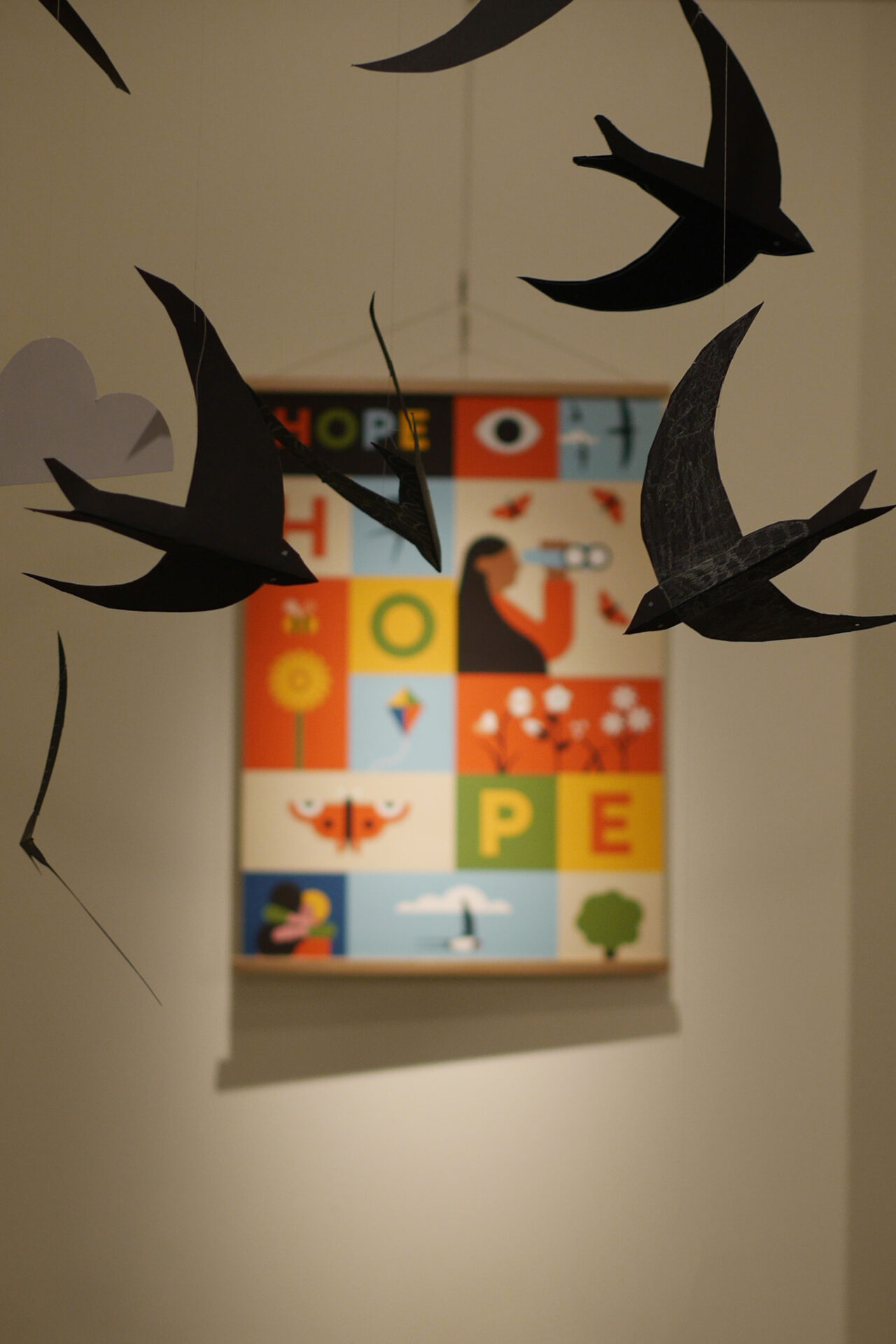
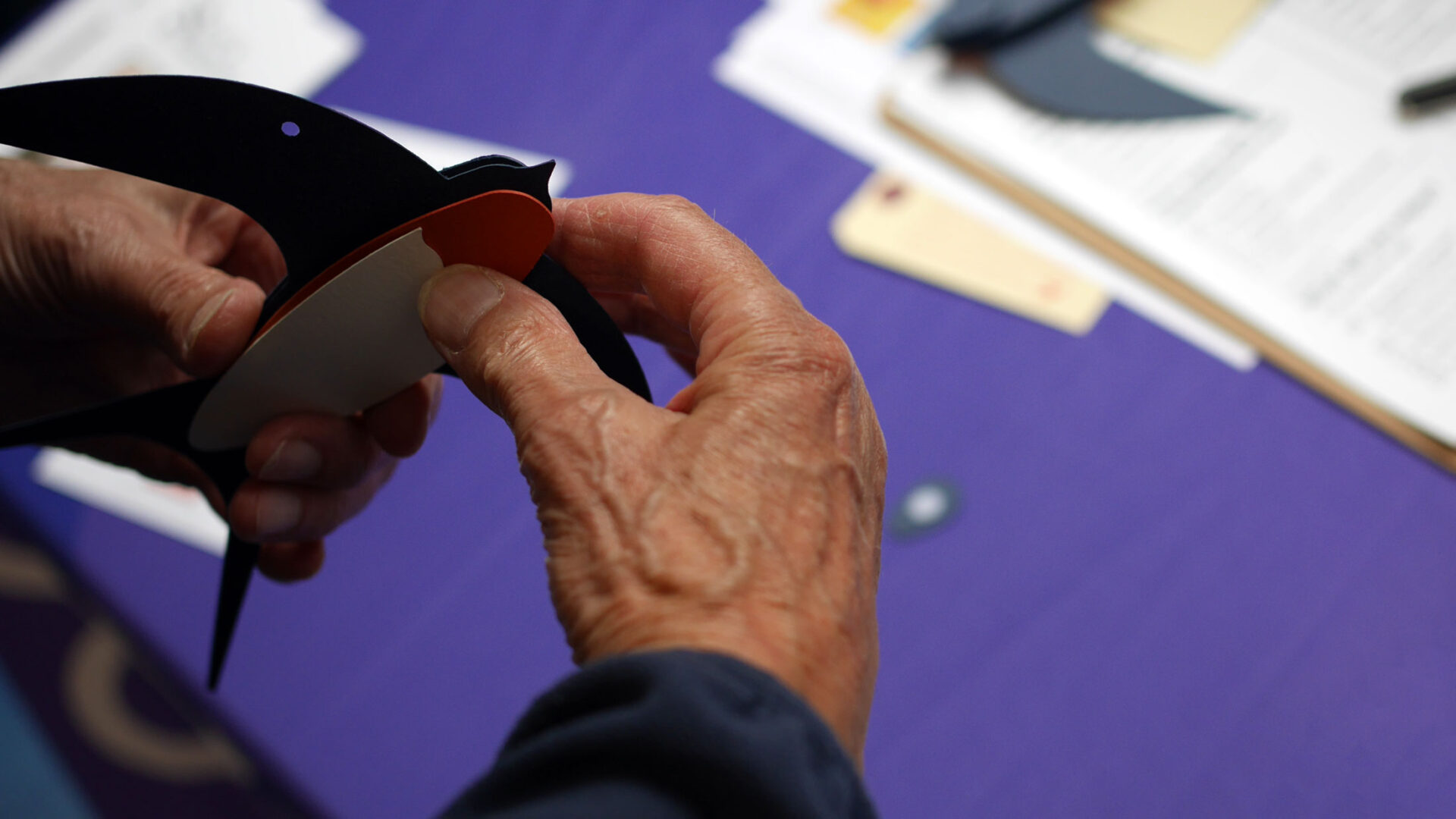
Suspended above the insect cabinets, hundreds of community-made swallows and swifts continue to circle gently overhead, each carrying a handwritten Message of Hope created during workshops with museum visitors, hospice communities, families and people living with dementia. Together, the birds and insects reveal migration as one of nature’s great connecting stories—linking habitats, cultures and communities across continents.
The exhibition also marks the culmination of many months of collaborative research and community making. Displayed in retired entomology drawers generously donated by the museum, each butterfly is accompanied by a small collection label recording its maker and place of creation—echoing the cataloguing traditions used throughout the museum’s scientific collections.
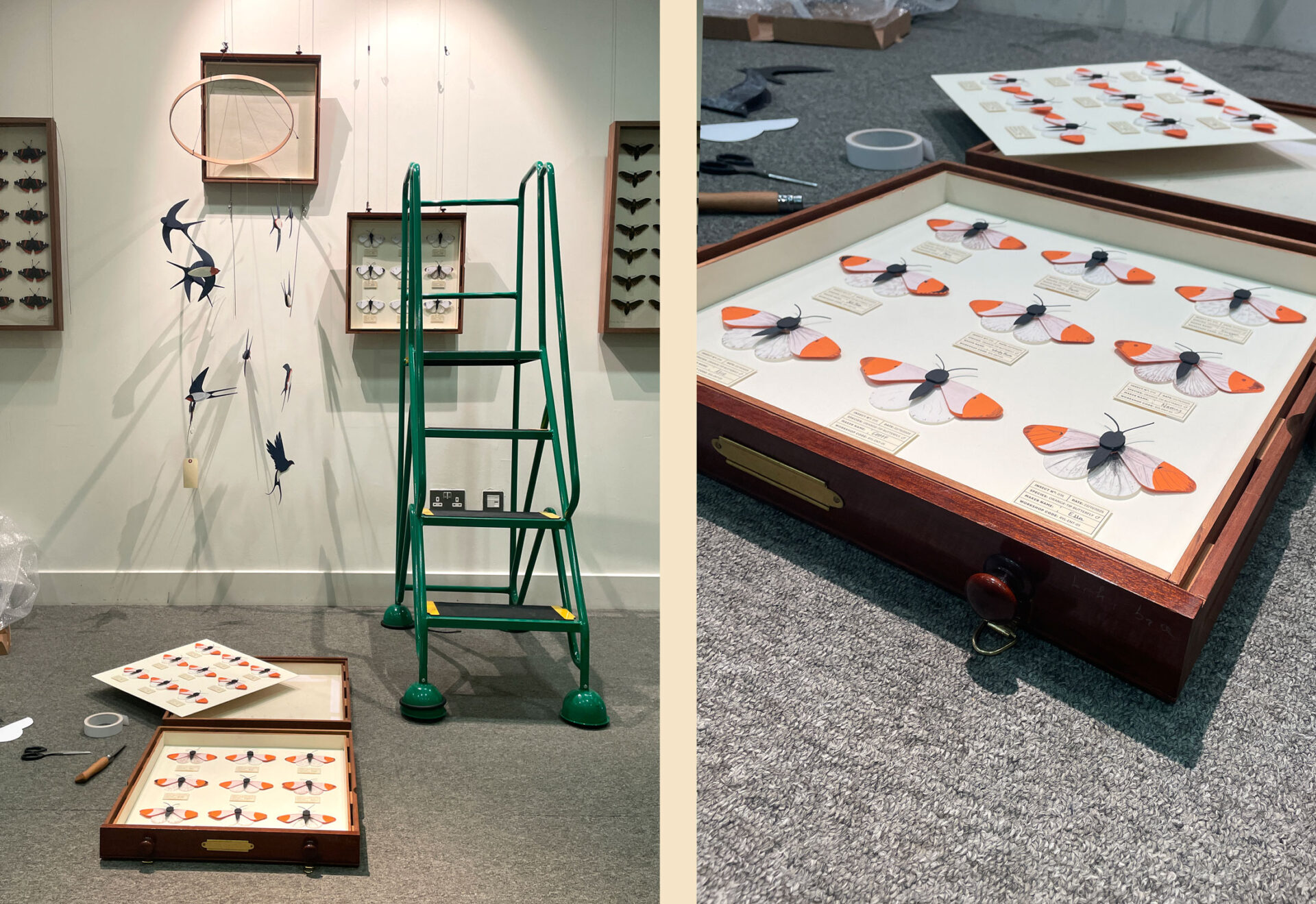
For me, National Insect Week feels like a natural home for this evolving body of work. Birds may have inspired Wild Wings of Hope, but the more I explored migration, the clearer it became that some of nature’s most extraordinary journeys belong to butterflies, moths and dragonflies. Their stories remind us that even the smallest wings can connect landscapes, countries and people—and that hope, like migration itself, is something that continues to move.

Our first feedback session in an NHS setting
A test flight for the Wild Wings of Hope AR prototype, in collaboration with RSPB Scotland—exploring how craft, storytelling and technology can support nature connection in care.
4