After weeks of prototyping Barn Swallows in the studio, I have finally brought them into a workshop for people to test.
It’s a cool autumn day, and I’m surrounded by a group of twenty makers who have gathered for my first community-led craft workshop.
This session is part of the development process for the barn swallow papercut kits I’ve been designing and refining in the studio over the summer. Today is about making together — but for me, it is also about listening, learning and observing the makers as they go about their craft.
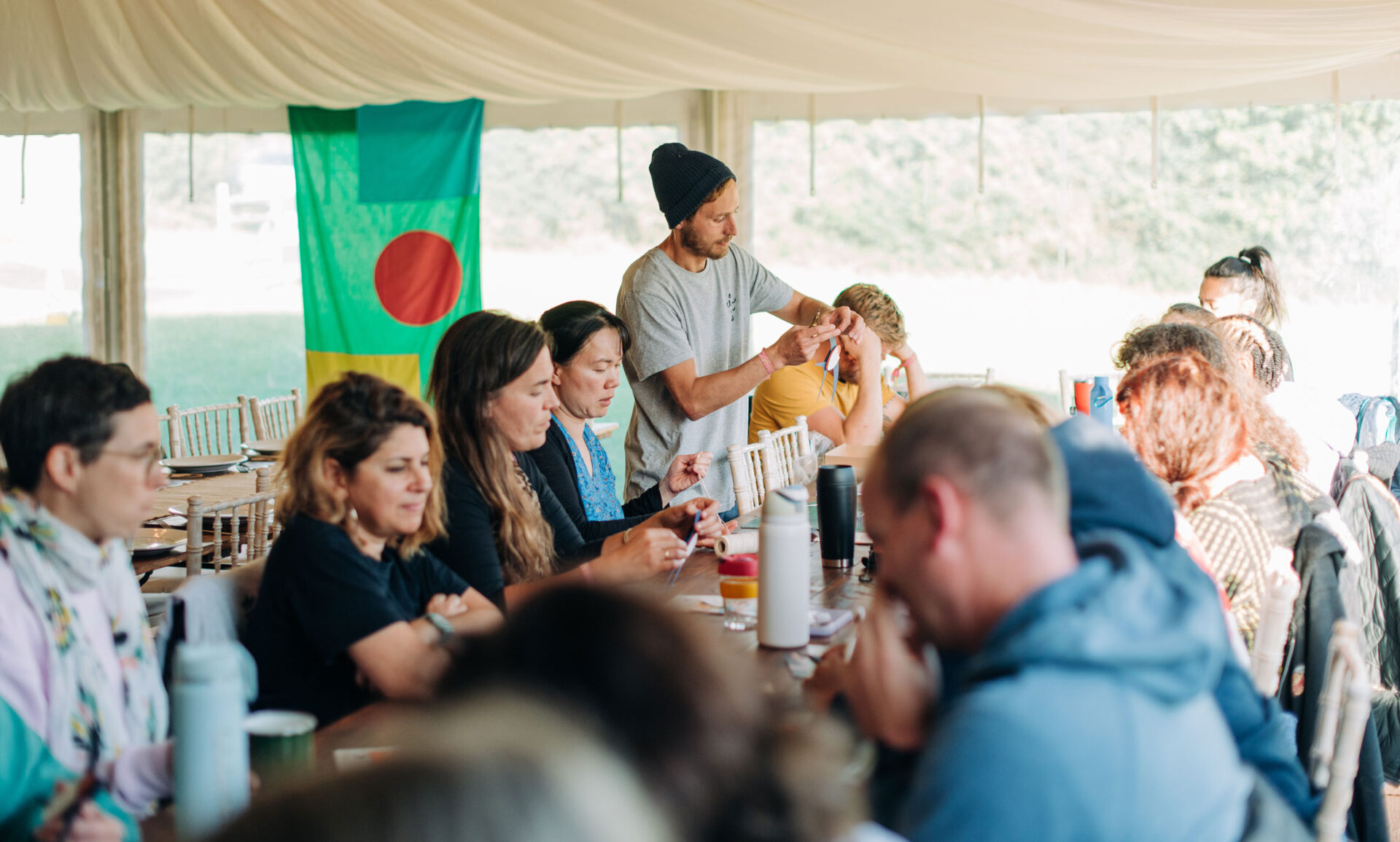
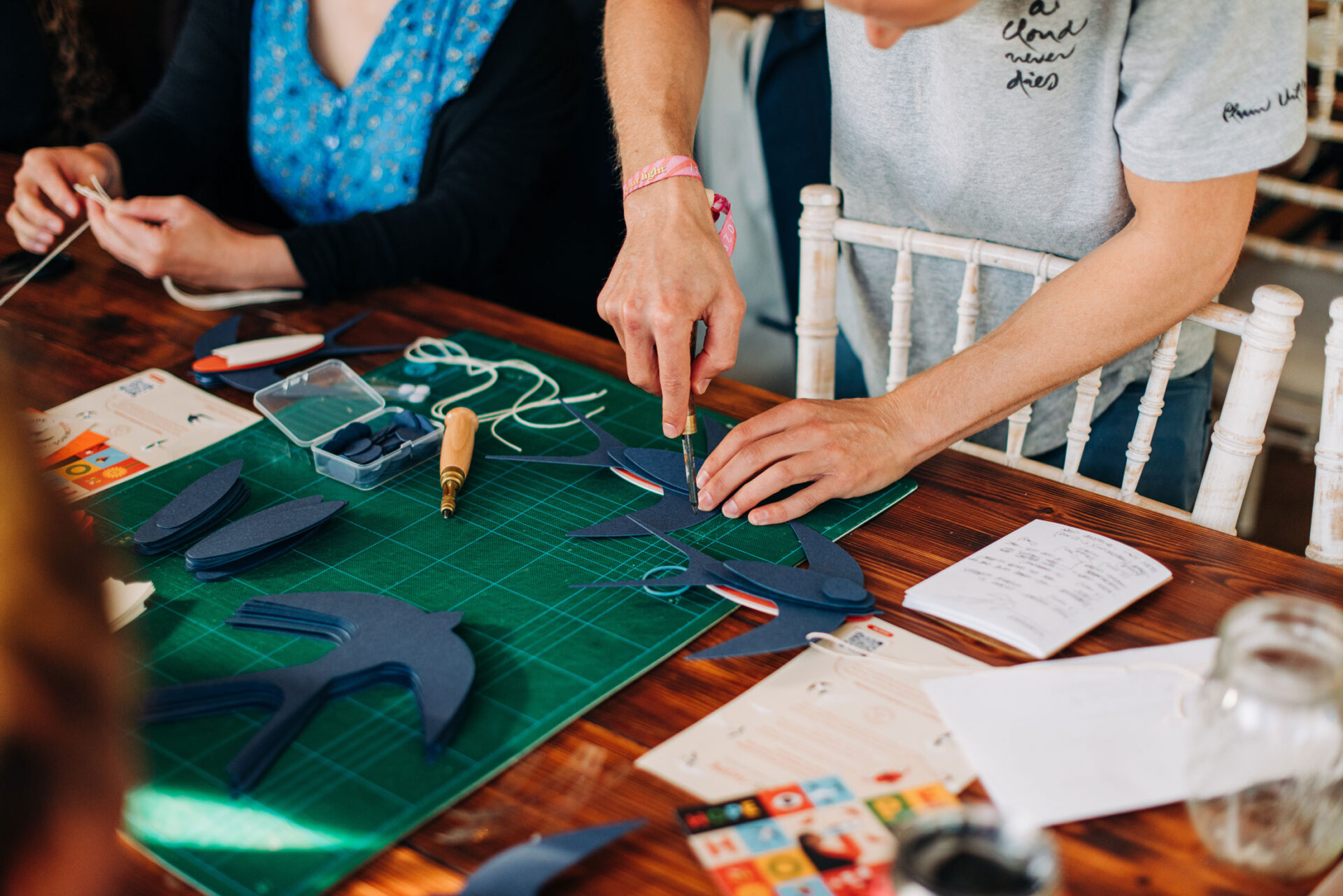
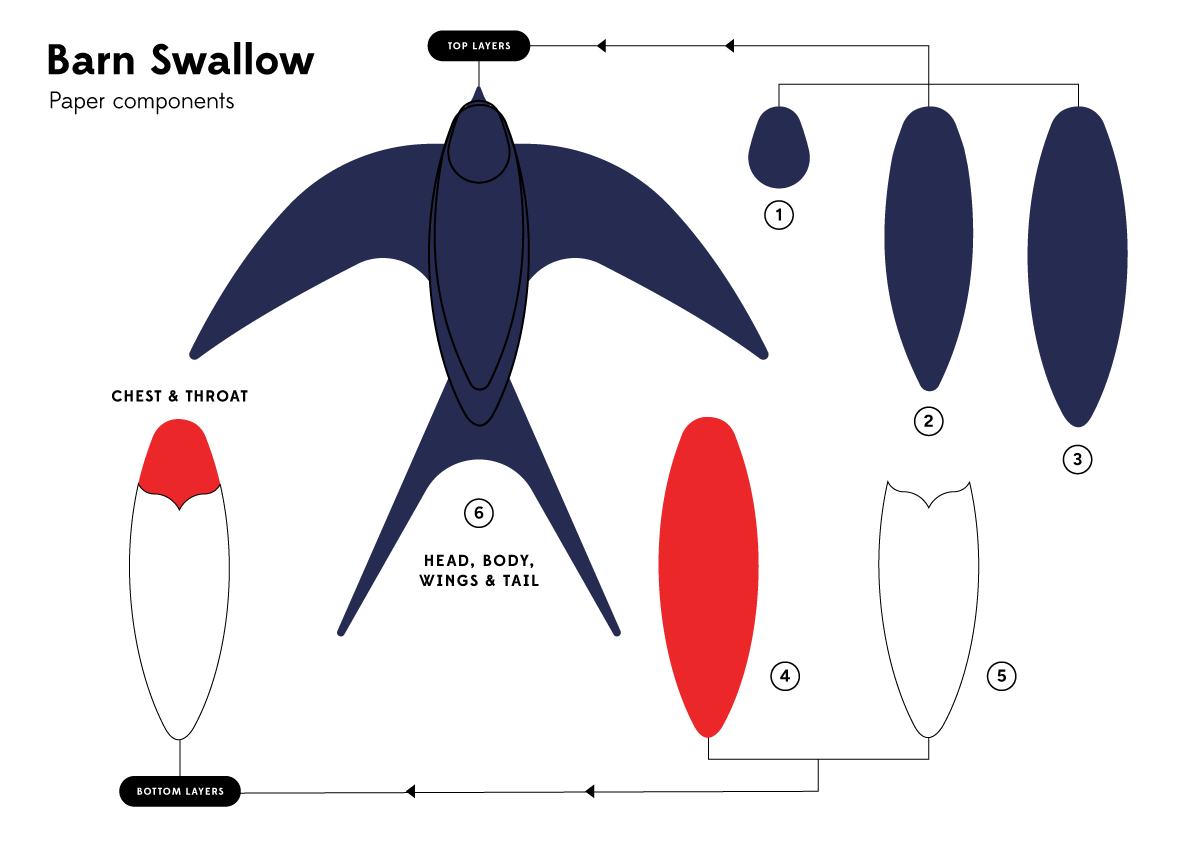
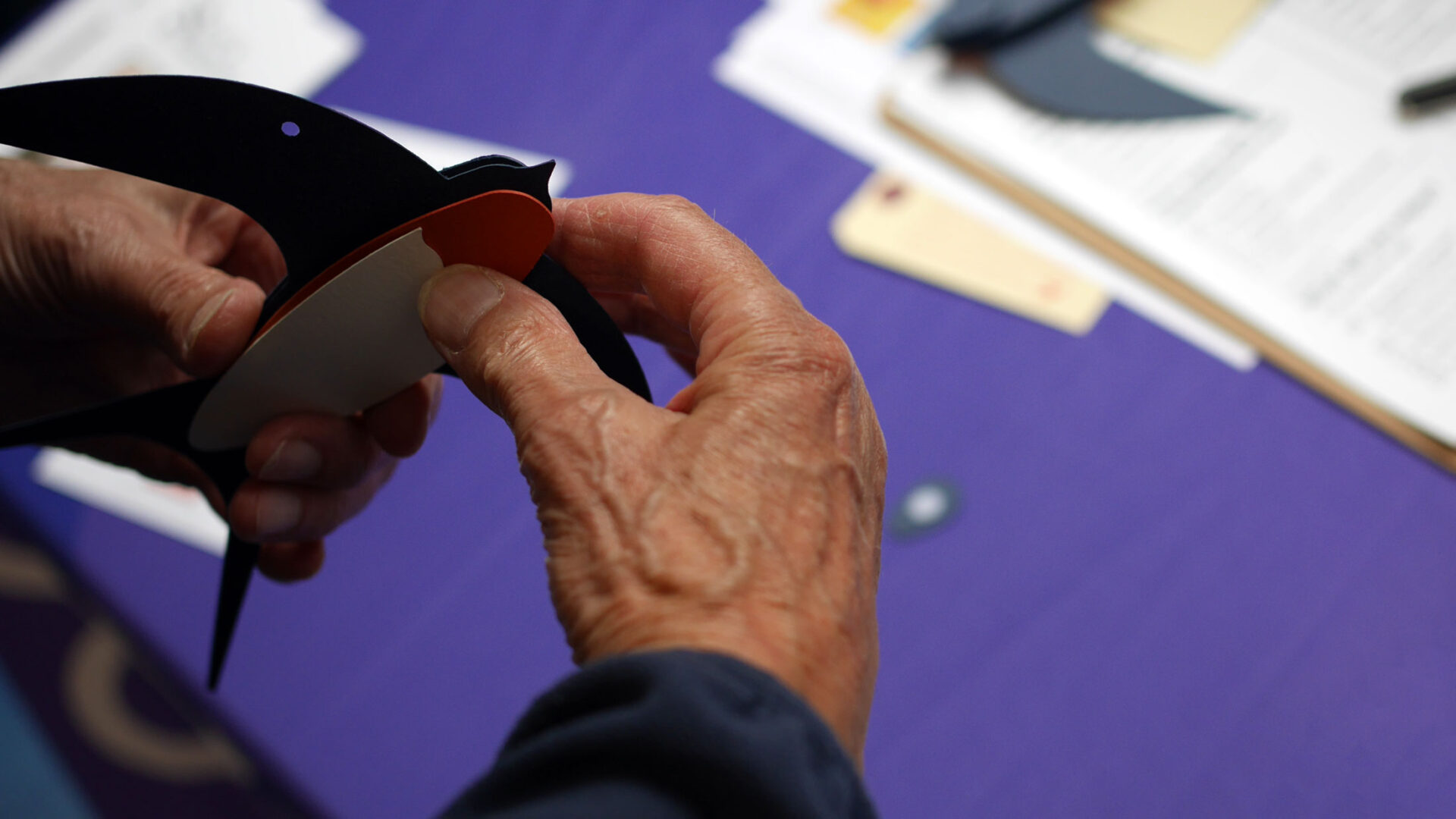
As I begin handing out the paper components (which I quickly realise takes longer than expected — lesson number one), people start arranging their paper wings, bodies and heads along with a length of string and a luggage label to tie on at the end with a message about their symbolism.
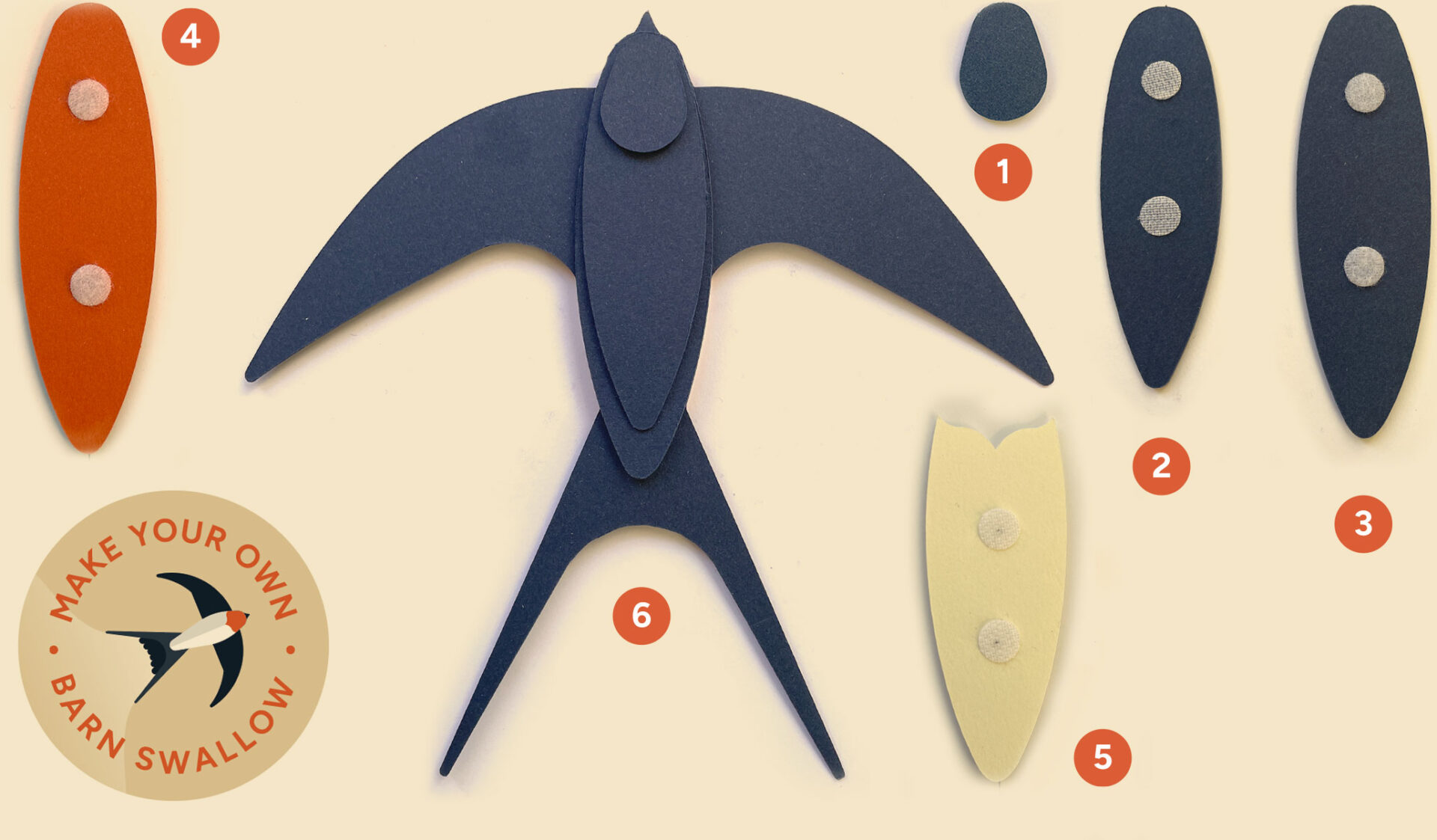
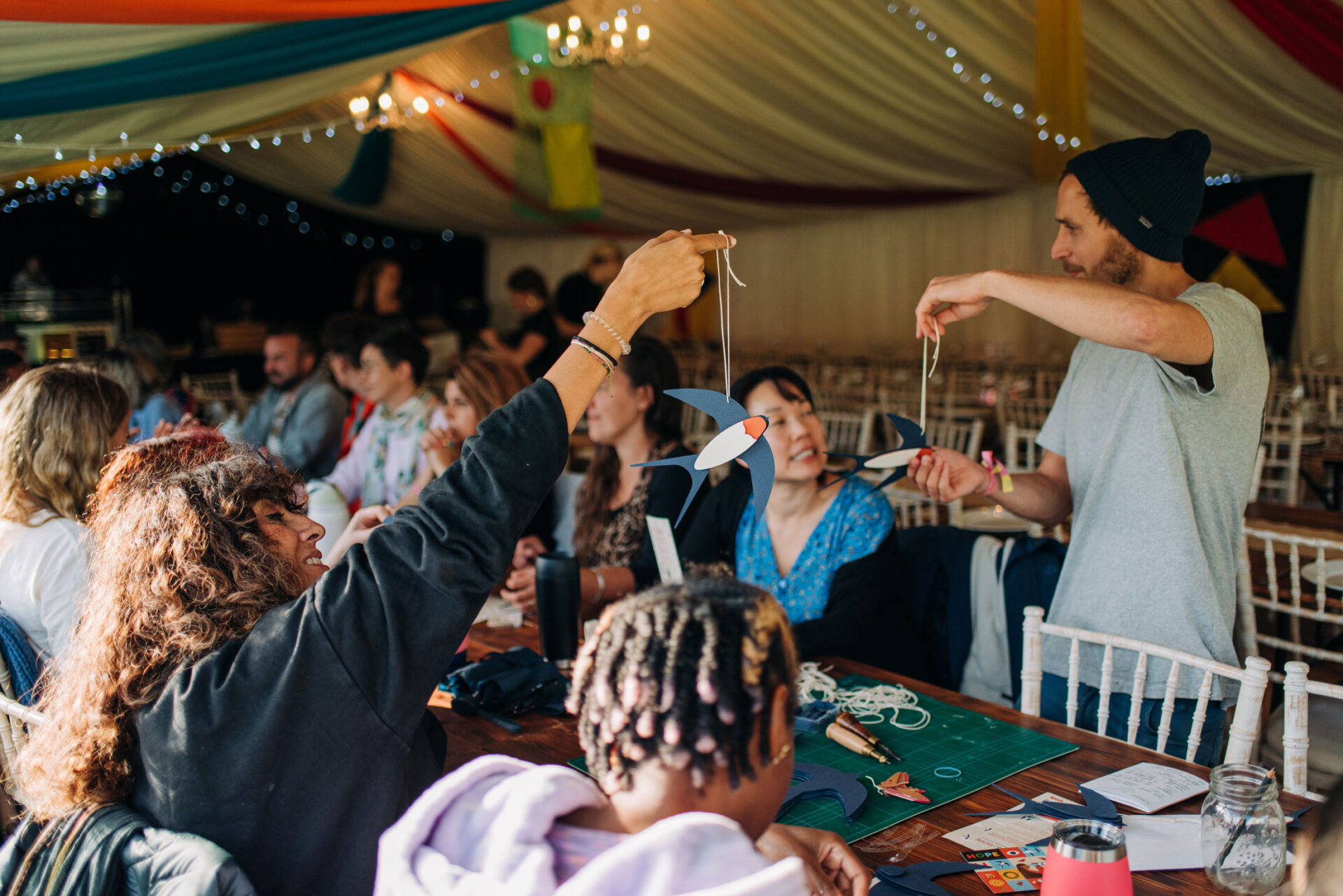
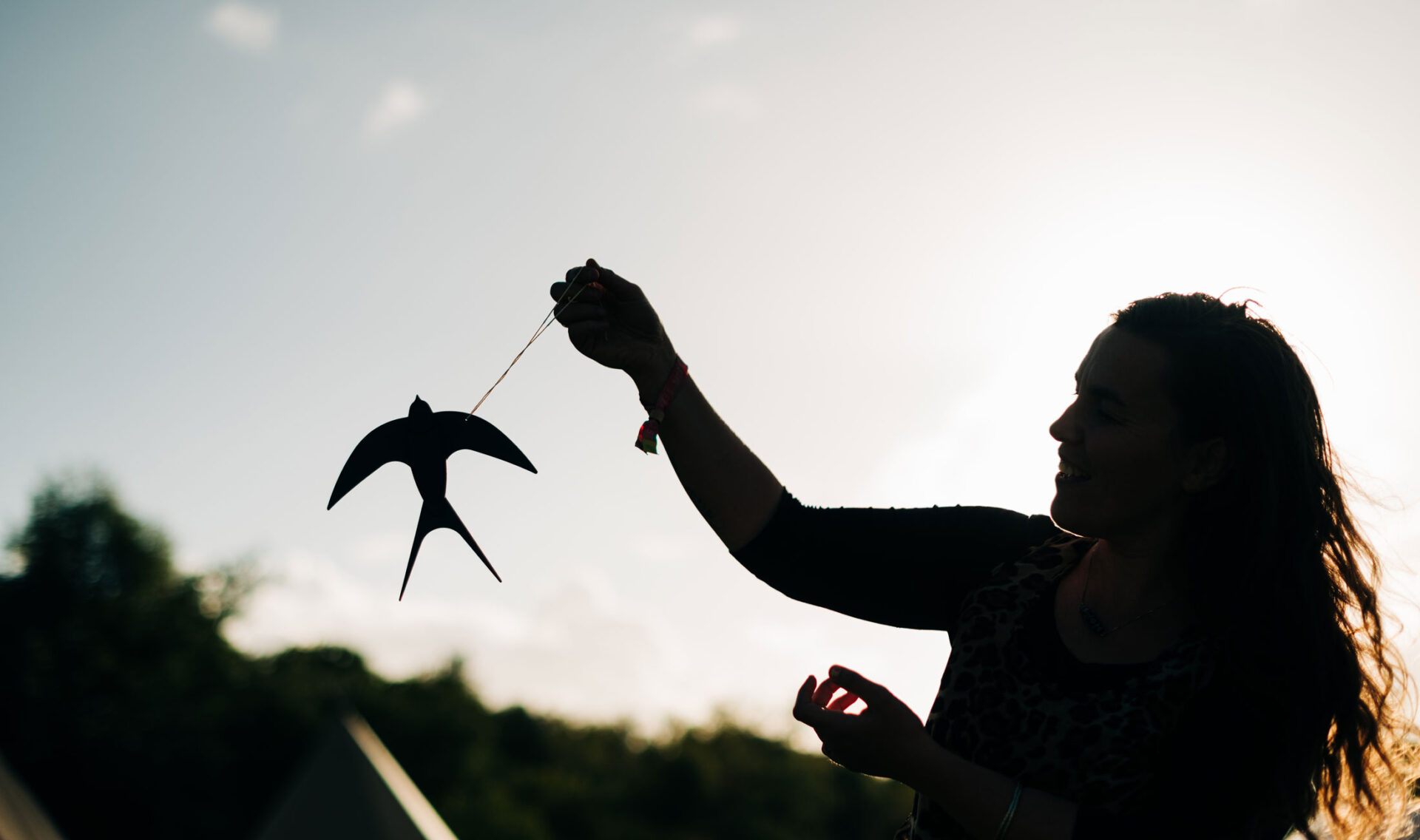
In folklore, a barn swallow nesting in a home is a sign of good luck. And this flock of paper birds being crafted are intended as a small, tactile symbol of care and connection for people to take away and hang in their homes. A bringer of good fortune to them and their families.
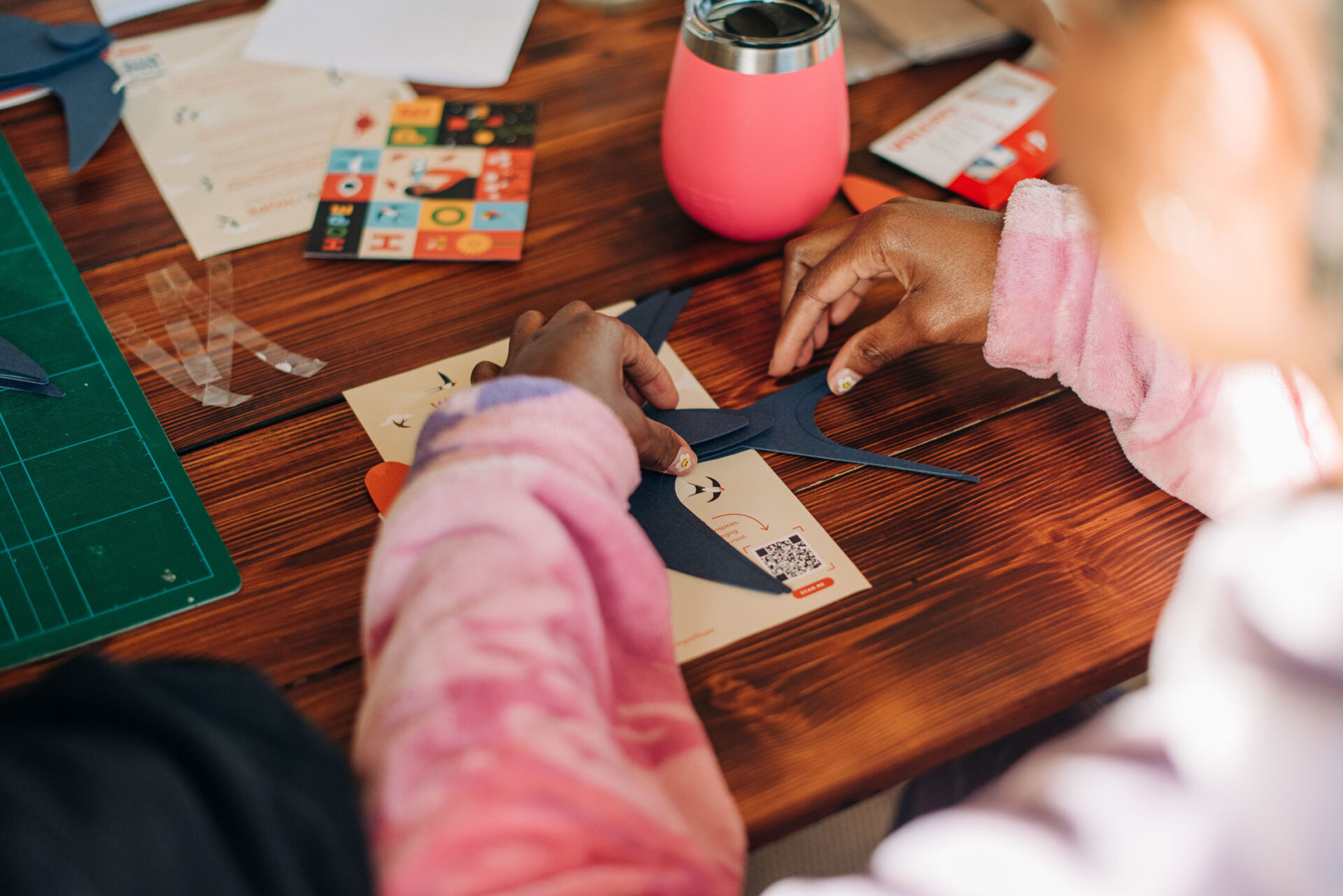
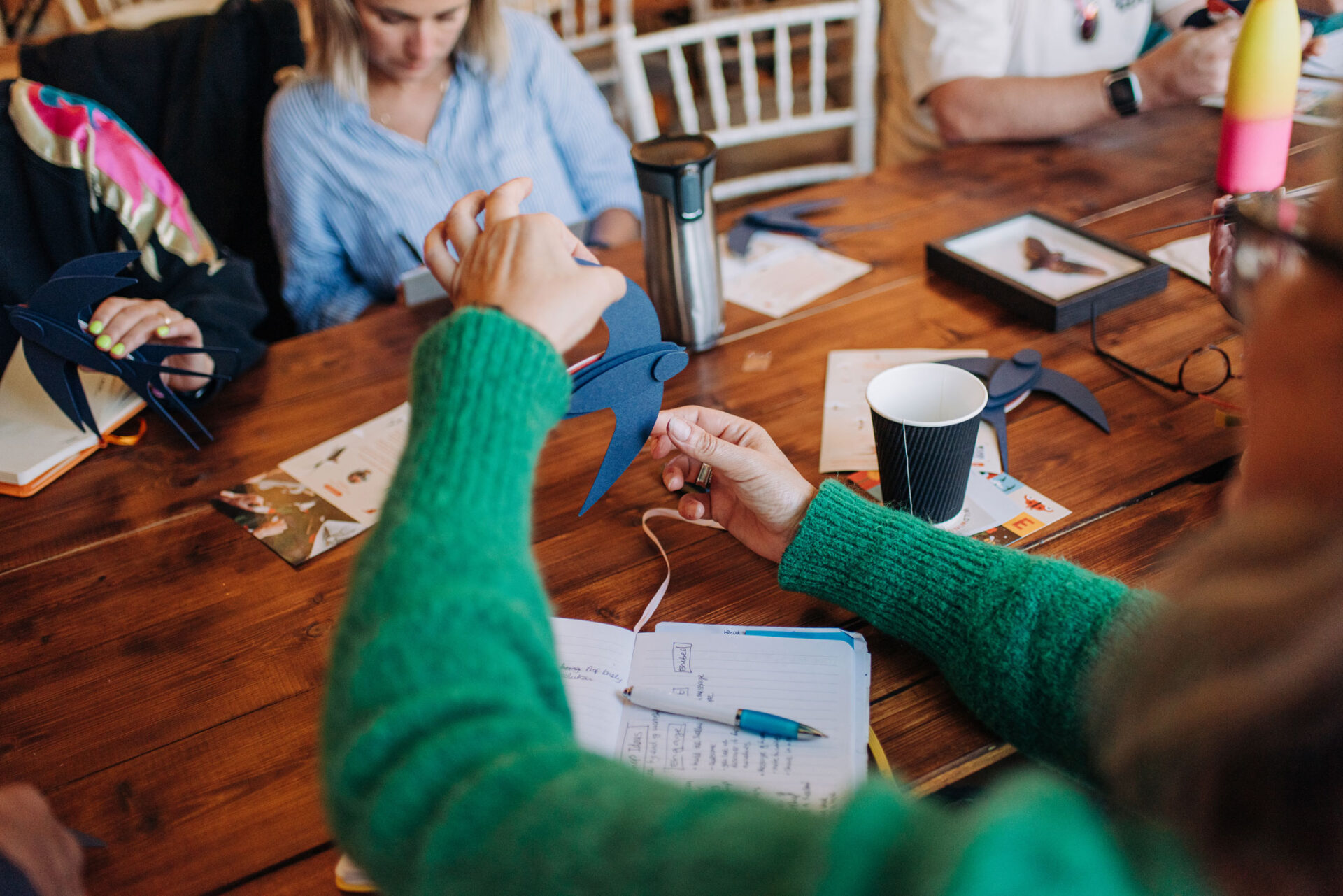
As the room settles, conversation begins to flow. People lean over to compare wing shapes, ask one another for help, and offer small suggestions and encouragement.
It’s gentle and grounded — and I notice myself taking a breath, realising this feels like a real milestone. Since receiving Creative Scotland funding in the spring, the project has largely existed in planning, prototypes and studio work.
Today, seeing these birds take shape in other people’s hands, it feels like Wild Wings of Hope is finally beginning to emerge.
Audience feedback
At the end of the workshop, I handed out short feedback forms to hear participants’ reflections on the experience. Their thoughts will help me make the workshops even more enjoyable, meaningful and accessible for everyone.
Each question could be answered on a sliding scale from strongly disagree to strongly agree, covering:
-
Relevance: Whether the themes felt relevant to today’s environmental and social challenges
-
Ecological education: Whether the session deepened the understanding of bird migration and ecological connections
-
Enjoyment: How much they enjoyed the workshop itself
-
Skills & ability: How challenging the craft activity felt
-
Atmosphere: How welcoming and supportive the environment was
-
Engagement: Whether they would be interested in joining a similar workshop again
-
Improvements: Suggestions for improving future workshops, from materials to time to facilitation techniques
Learnings from the workshop
The workshop was warmly received — people were engaged and particularly appreciated the quality of the papercut pieces, while also learning a little about migration along the way. The feedback was wonderfully useful.
Interestingly, most participants found the activity on the easier side — which is exactly what I had hoped for.
The kits are being designed to be accessible to younger age groups, neurodiverse learners, and people living with dementia, so clarity and simplicity are key.
Moving forwards
Participants also offered thoughtful suggestions:
• Prepare the materials in advance: cutting the twine, pre-punching the holes, and laying everything out at the start before the workshop begins will make the beginning of the session flow more smoothly.
• Create an instruction sheet: design and print a visual guide showing the layers/components of the barn swallow, with key assembly steps to support different learning styles.
• Include a demo barn swallow: a finished example for people to look at while they make their own.
I’ll be incorporating this feedback into the next phase — the pilot workshops at the National Museum of Scotland’s Museum Socials, a monthly event designed for people living with dementia, their relatives, friends, carers, and supporters.
And of course, the big one — the public launch of Wild Wings of Hope coming up in October half-term in the Grtand Gallery of the National Museum of Scotland, as part of the Scottish International Storytelling Festival and Black History Month 2025.
But for now, it’s time to head back to the studio, put pen to paper, and get designing again.
More coming soon.
Our first feedback session in an NHS setting
A test flight for the Wild Wings of Hope AR prototype, in collaboration with RSPB Scotland—exploring how craft, storytelling and technology can support nature connection in care.
4