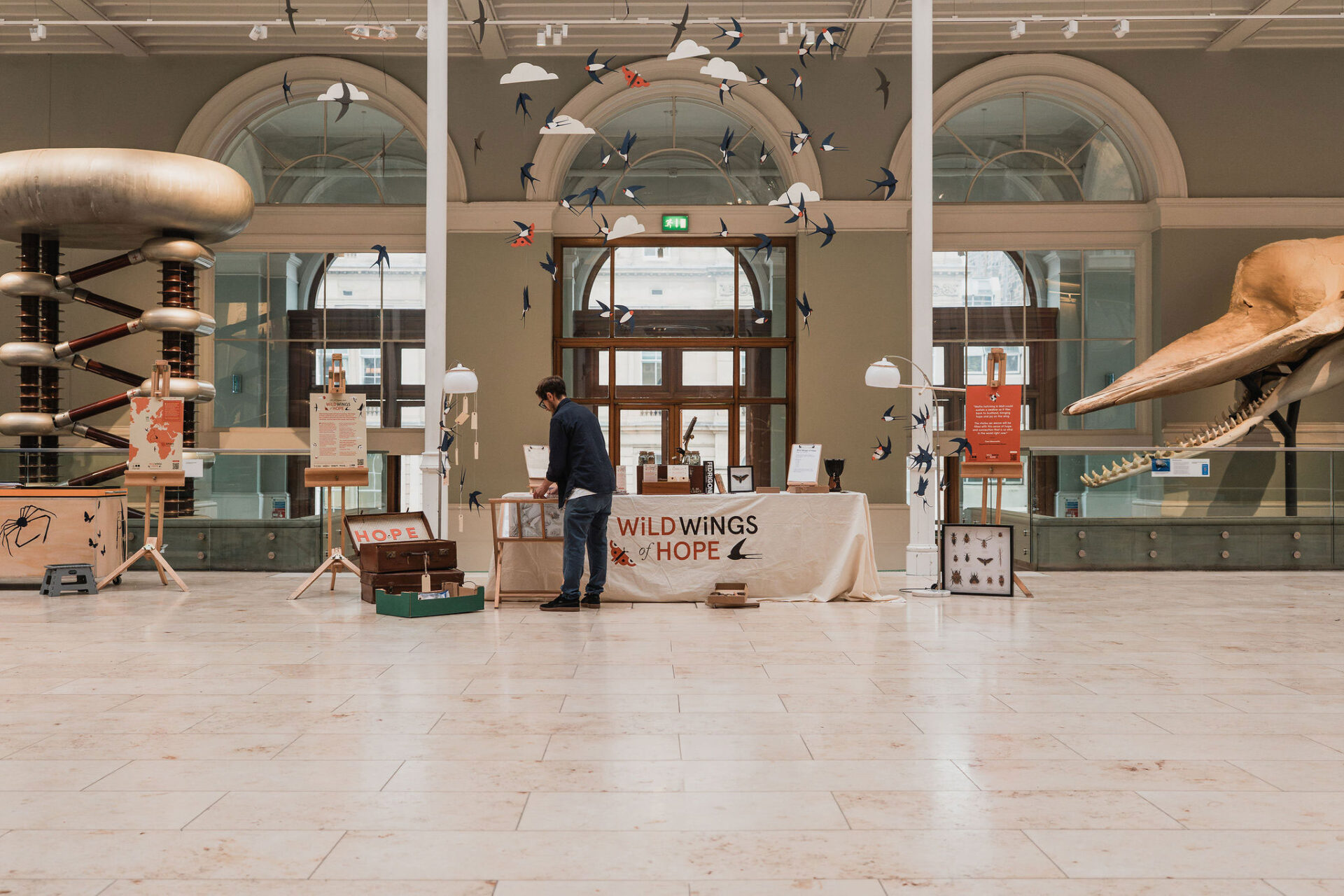
I’m standing in the bright, vaulted Grand Gallery of the National Museum of Scotland. Wild Wings of Hope has finally come together under one roof.
It’s half-term—one of the museum’s busiest weeks—and thousands of visitors move through the galleries in gentle currents. Above their heads, a flock of paper barn swallows and swifts sweep through the air, suspended from two steel hoops installed just days earlier.
After many late nights cutting and threading paper wings, it feels good to watch people pause, point, and smile at the flocks in flight.
It’s all been worth it.
A gathering of craft and community
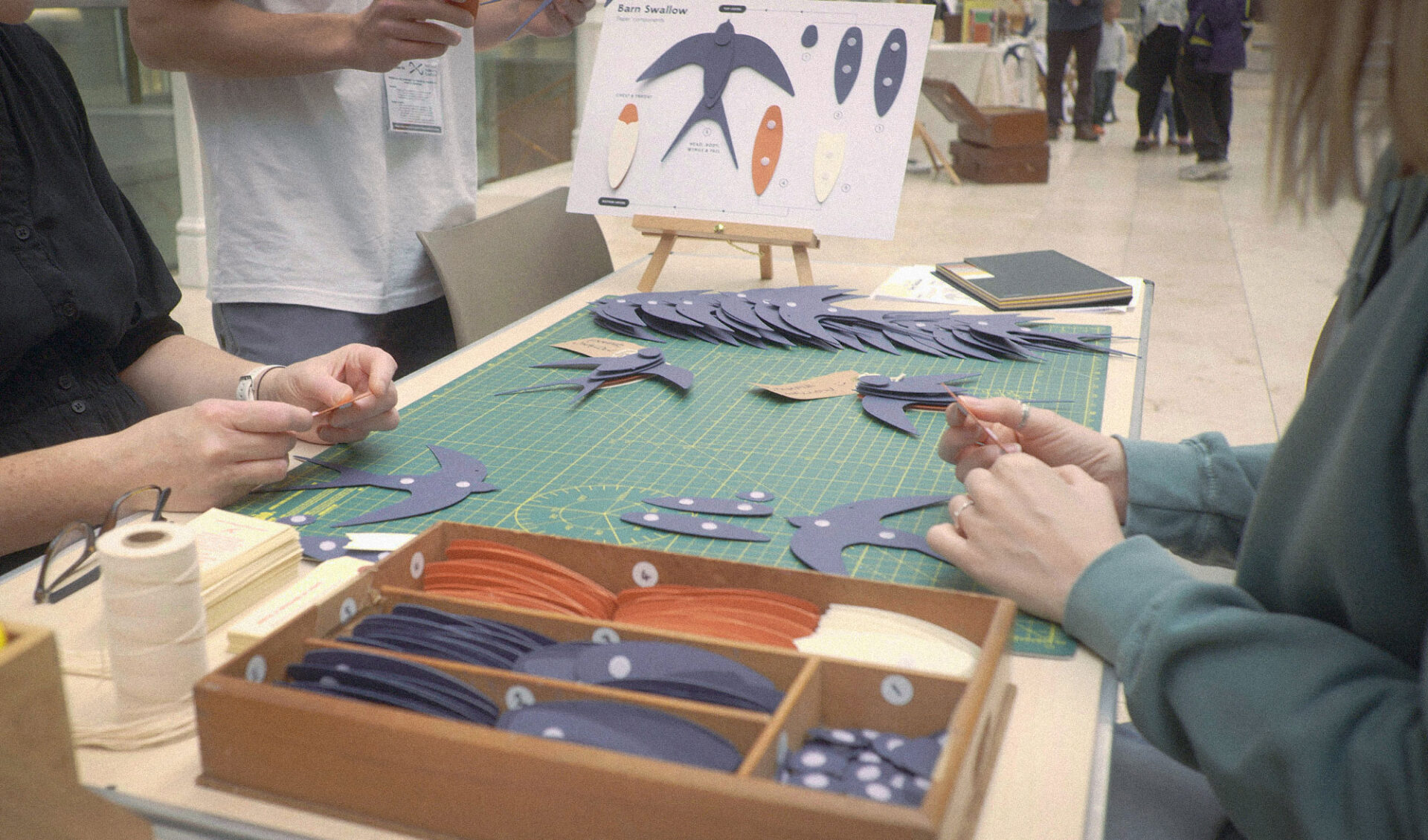
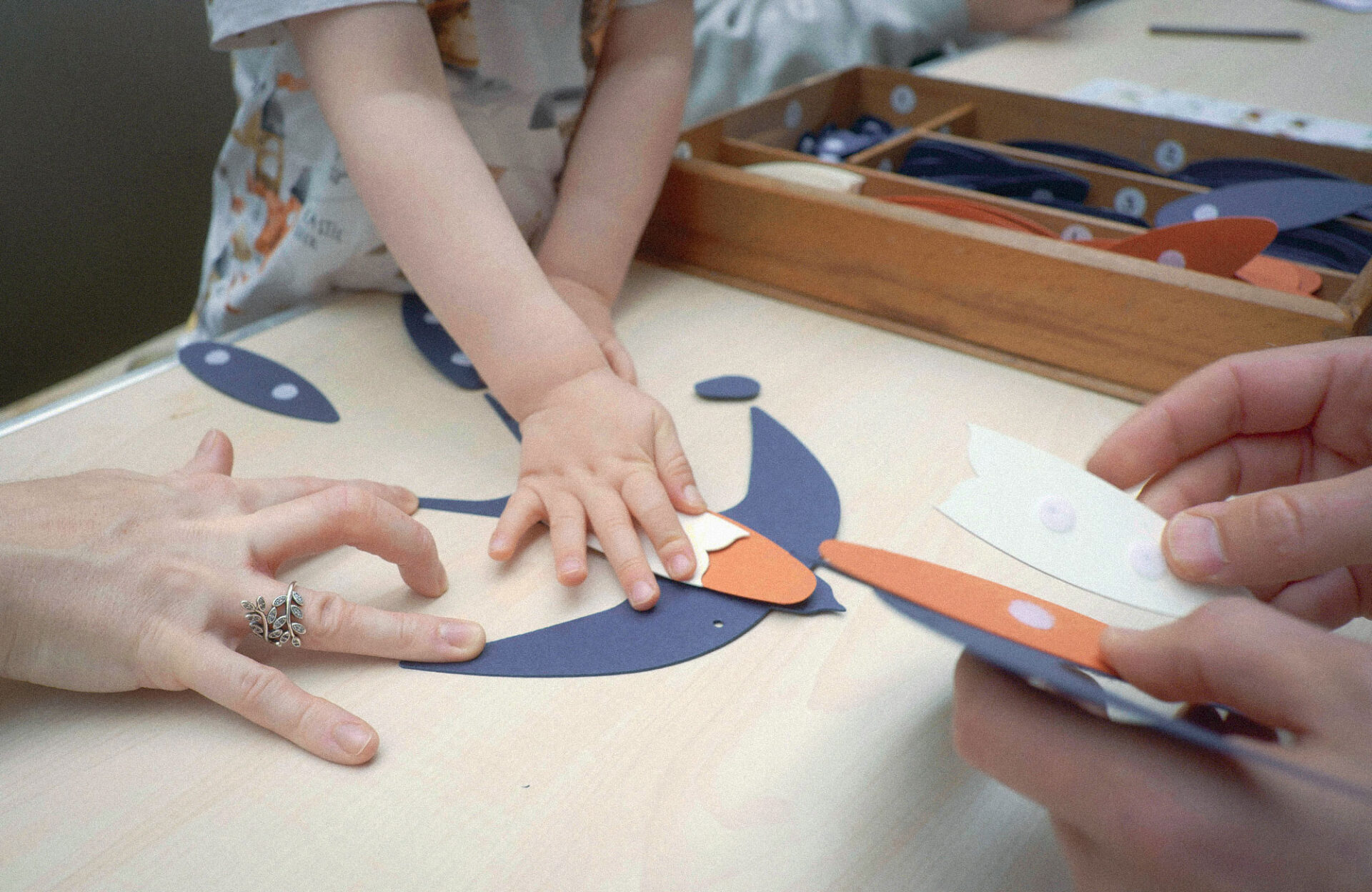
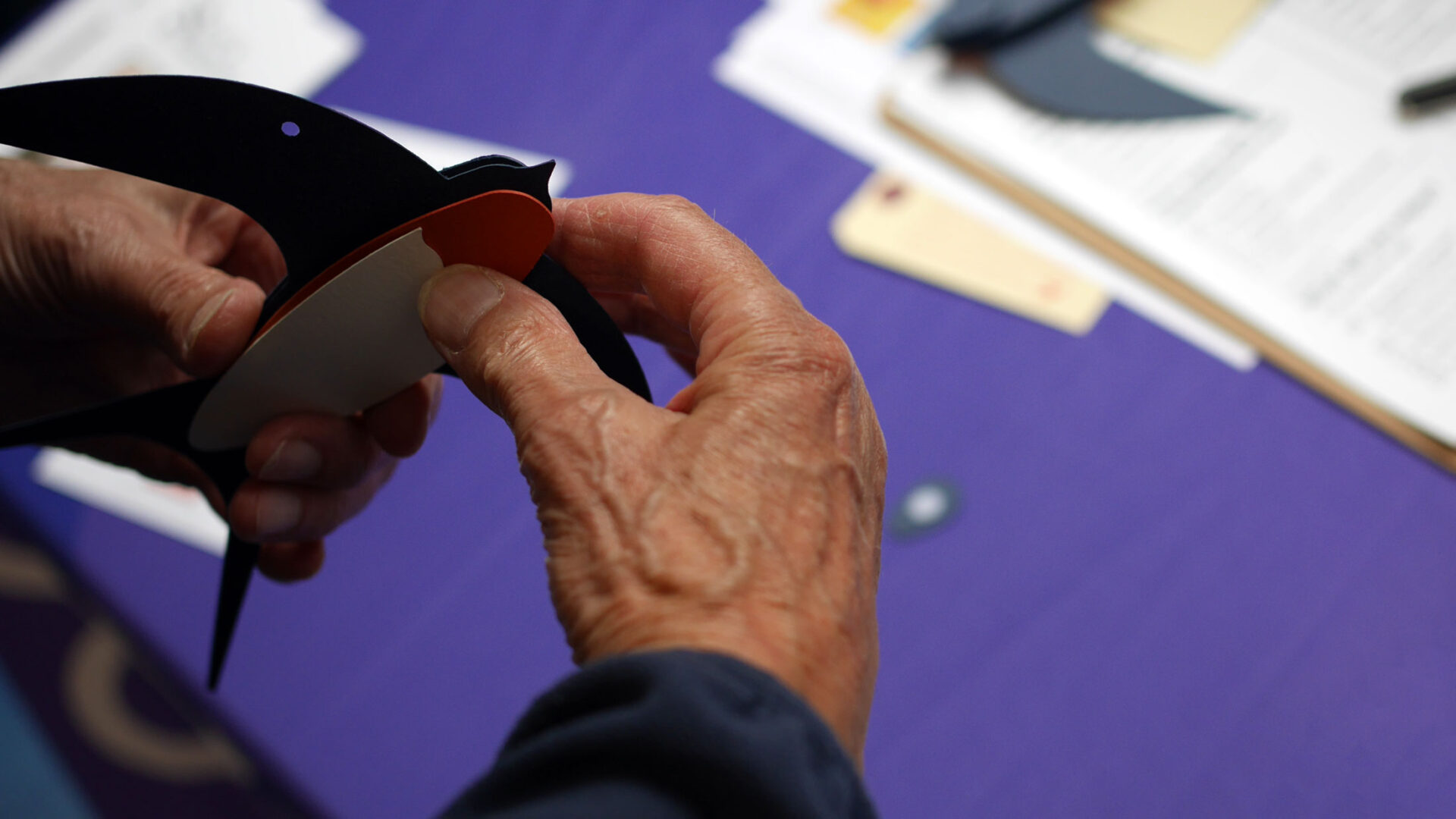
At the heart of the Grand Gallery is a long table of papercraft activities, where children and adults make Barn Swallows, Swifts, and Orange-tip butterflies.
Museum staff and volunteers guide small hands with patience and warmth. Working closely with the museum team, I’ve supported participants of all ages to create delicate paper birds and butterflies to take home as handcrafted momentos.
Traditionally, Barn Swallows are symbols of good fortune, so these paper birds will become small mementoes of hope — looped on thread and carried home as quiet wishes for the families they travelled with.
Community crafted output
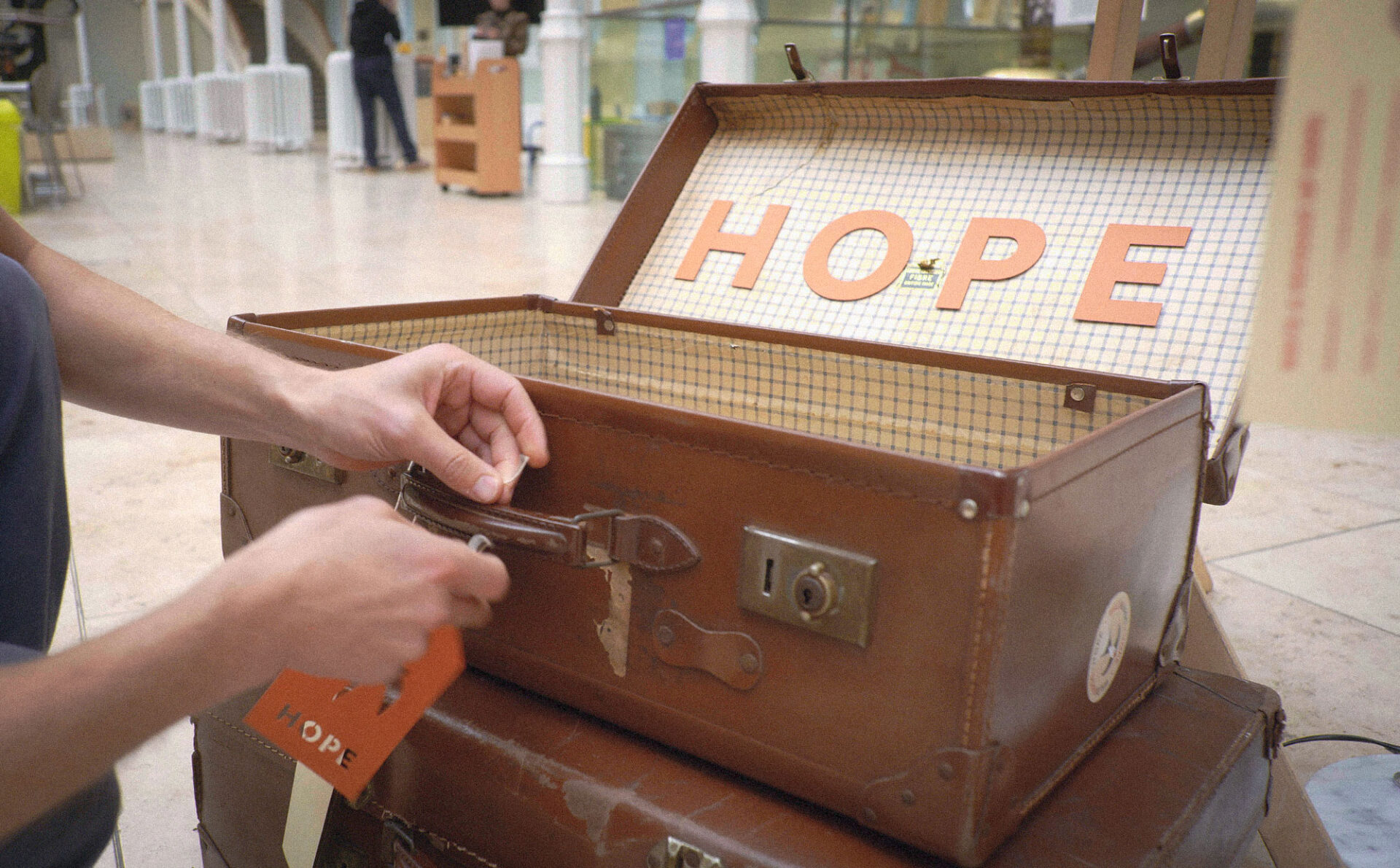
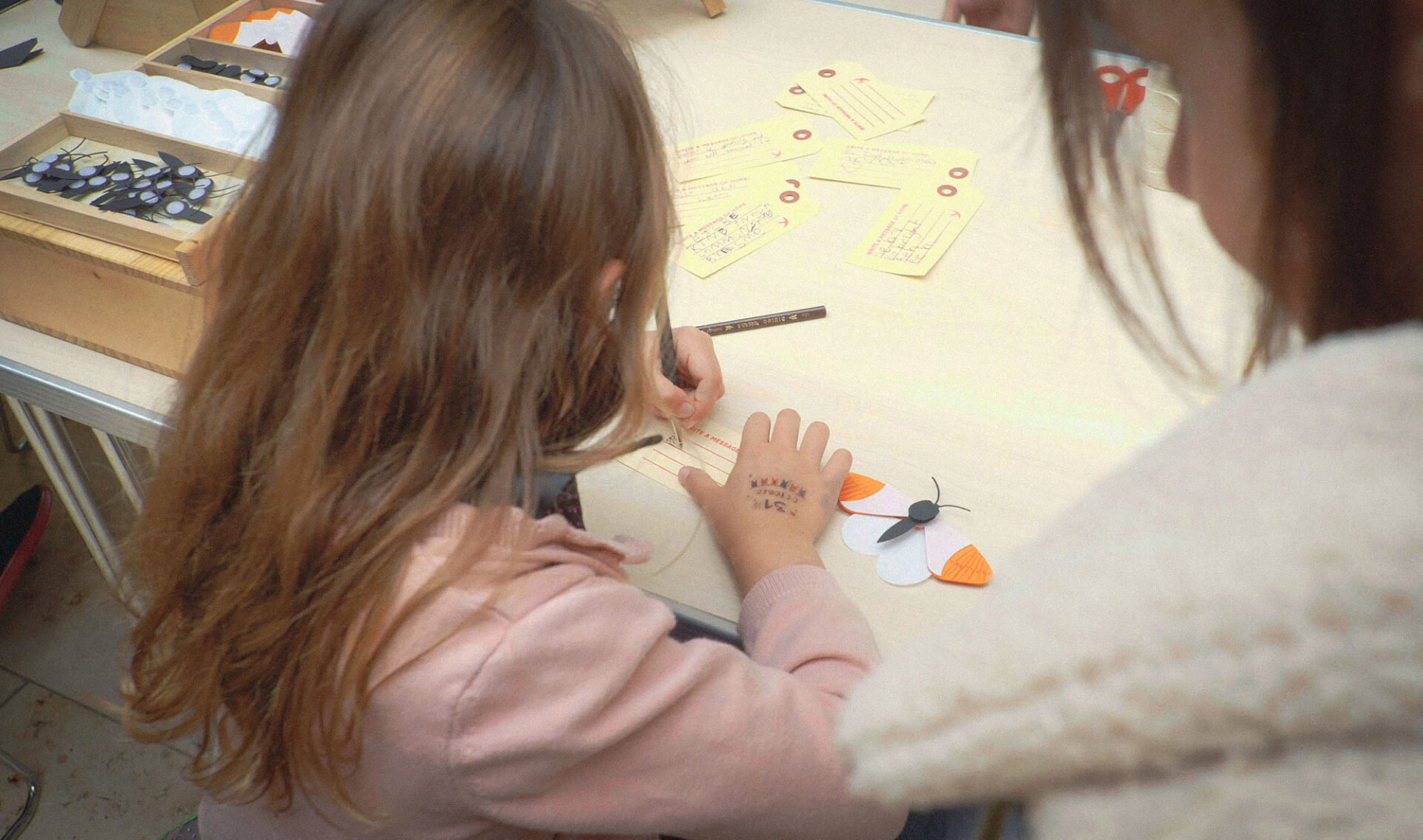
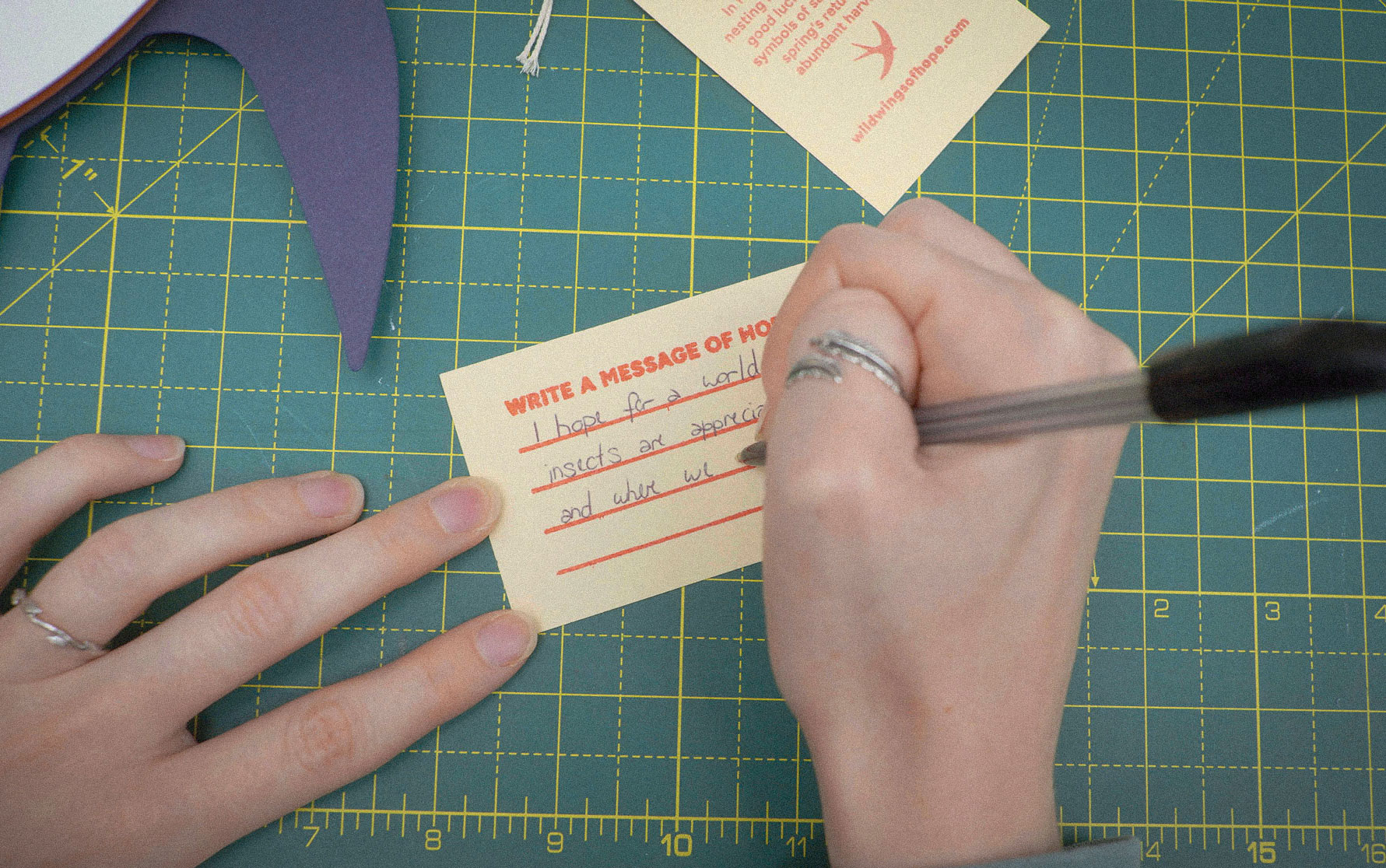
Alongside the papercraft workshops, gentle drop-in activities invite visitors to write Messages of Hope on luggage labels and hang them among the growing community mobile of paper barn swallows.
Across three days, the collective output has been remarkable:
- 240 Barn Swallows assembled
- 240 Orange-tip butterflies made
- 390 Swifts crafted
- 76 Messages of Hope written and shared
Together, these pieces form a living, evolving installation—each object a small, tactile memento of time spent making, reflecting, and connecting here at the museum.
The messages in particular have created moments of pause, as people stop to read the thoughtful words left by others, adding their own hopes to the growing collection.
Very accessible for all ages. My daughter thoroughly enjoyed the crafts & learning about the birds & butterflies.
Storytelling as Migration
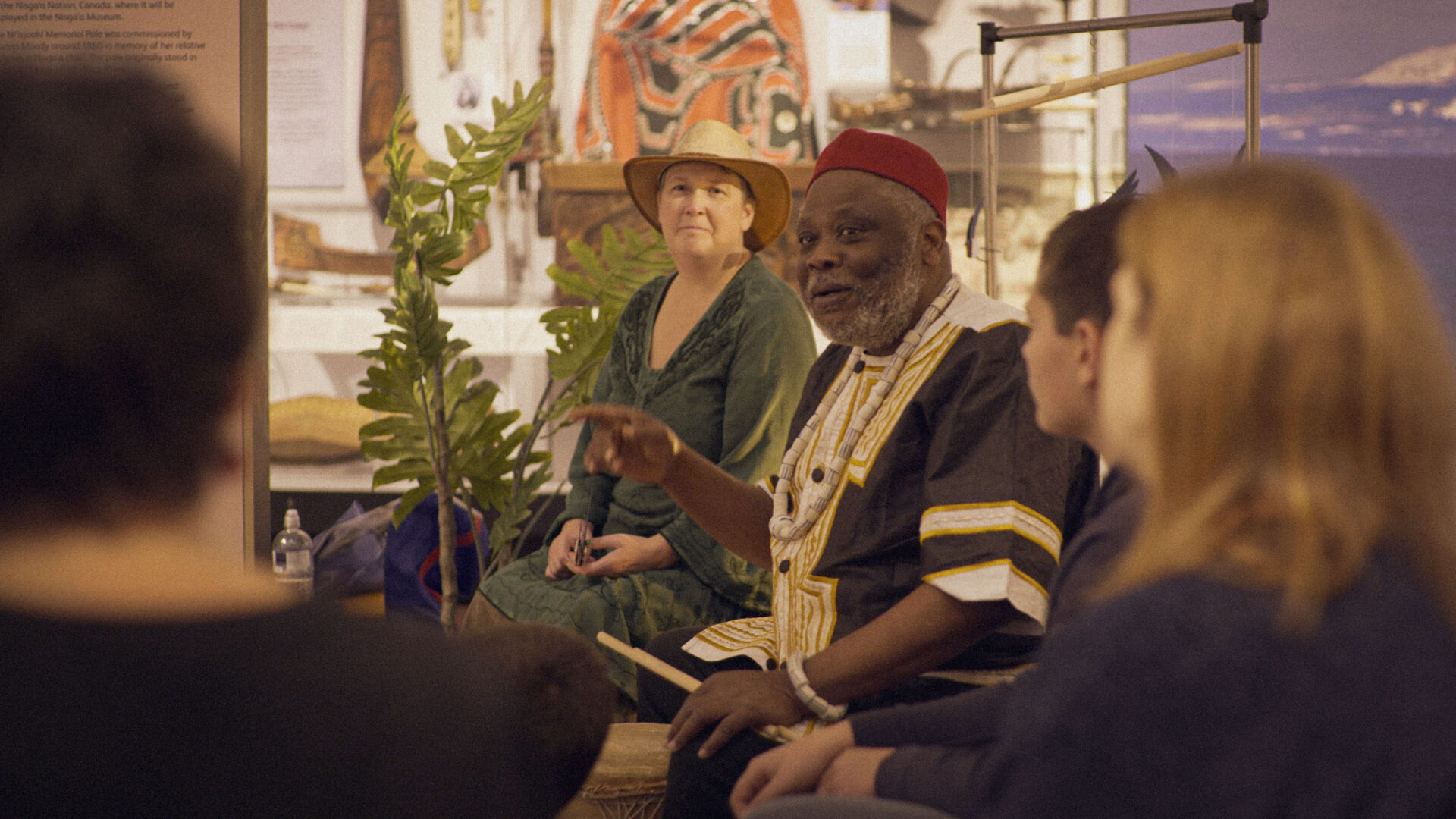
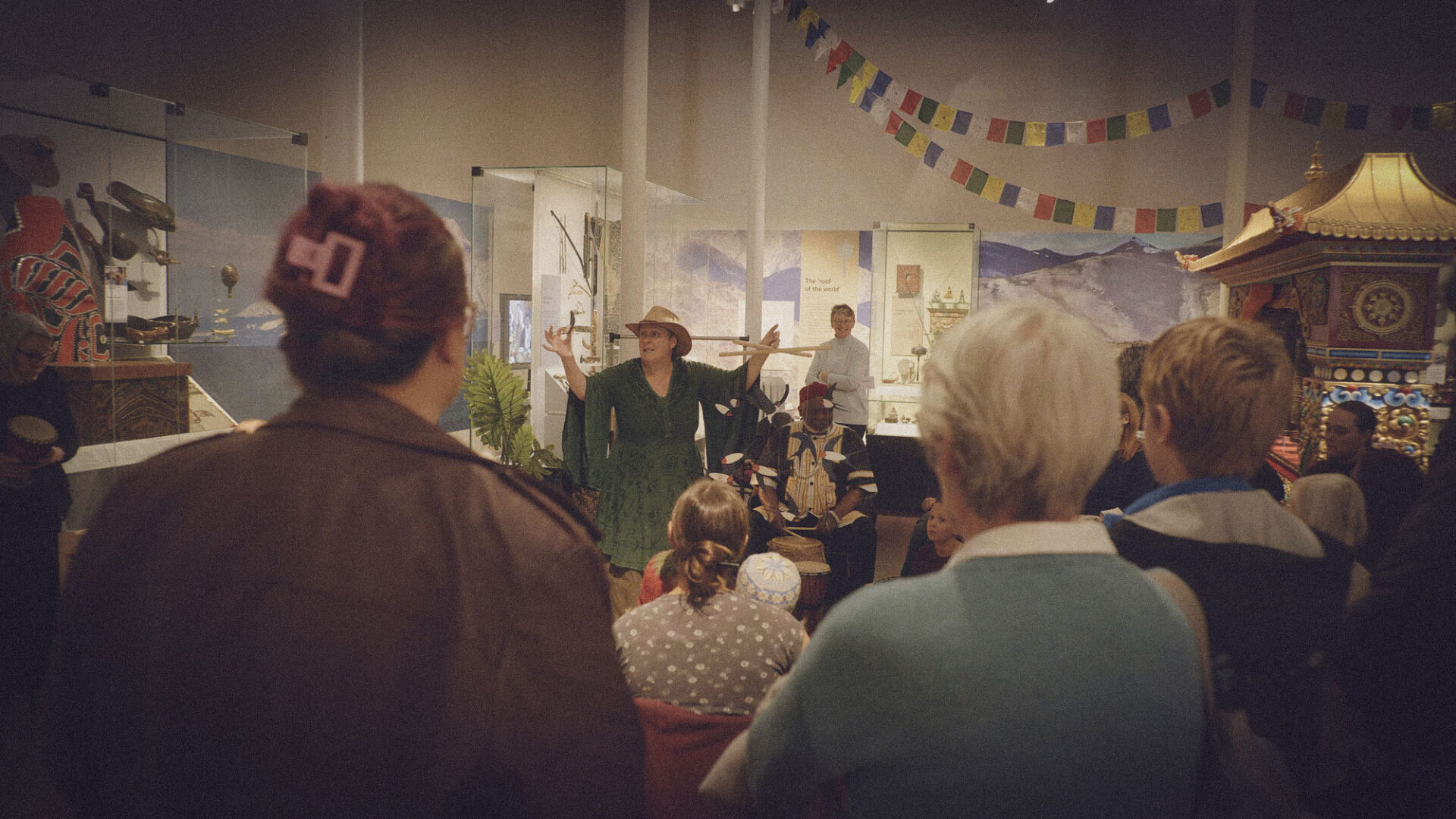
Storytelling sessions take place in the World Cultures Gallery, led by collaborating storytellers Gift Amu and Cara Silversmith. Rugs, ambient lighting, hand drums, and a papercut Swallow mobile have transformed the space into an intimate circle for listening and participating.
Through folklore, rhythm, and call-and-response song, audiences are invited into the great migration — following the Swallow’s journey from Scotland to Africa, across seas, storms, deserts and skies. Some children lean forward in wide-eyed silence; others sway with the beat. As the drumming rises, small hands reach eagerly for the instruments to join in and become part of the music and migration themselves.
Later, Gift reflected, “At the museum, we weren’t just teaching. We were memory-making for the children.” This feels exactly right.
Launching at the National Museum of Scotland also felt significant because of the research underpinning the work.
Time spent in collections and archives, alongside entomologists, educators, and curators, has shaped how I think about care, classification, and attention. Seeing the project enter a public museum context reinforced the value of a slower, research-led approach.
At the museum, we weren’t just teaching. We were memory-making for the children.
Across the gallery, RSPB Scotland and Butterfly Conservation host their own stalls, sharing their important work to protect the species we are celebrating here today.
Gentle conversations start up around what each of us can do — in gardens, schools, and neighbourhoods — to support nature. Nearby, slow-motion footage of Swifts flying around Edinburgh rooftops plays on a screen. A young boy swoops his own crafted paper bird in time with the flight on screen, utterly absorbed in the moment.

A beginning, not an endpoint
As the three-day event comes to a close, it doesn’t feel like a conclusion but a beginning.
From here, Wild Wings of Hope will continue to unfold across community workshops, care settings, and future exhibitions — including ongoing work with St Columba’s Hospice Care and a developing postal exchange with their partner hospice in South Africa.
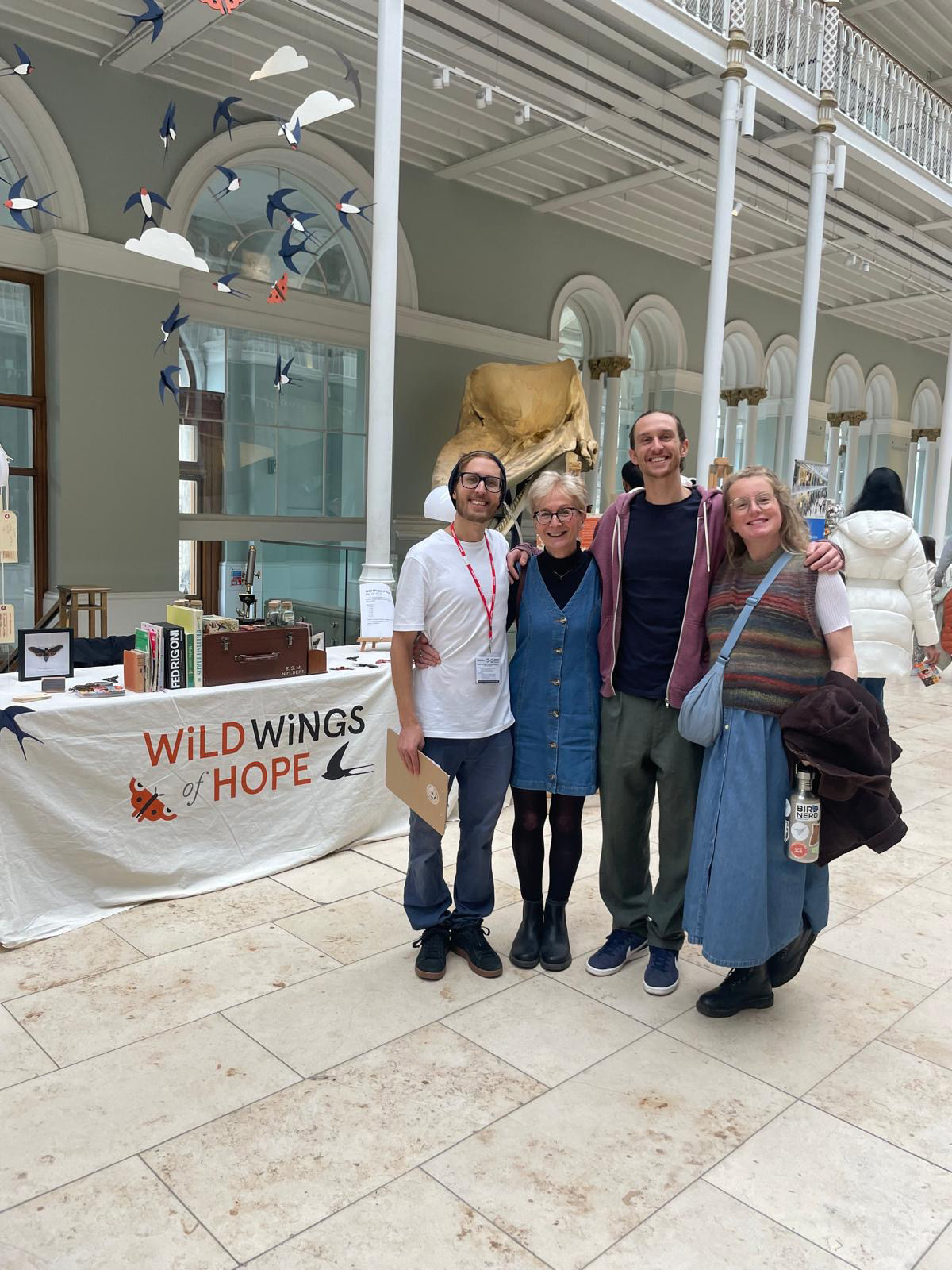
I’m deeply grateful to the National Museum of Scotland team for holding this space with such care; to collaborating storytellers Gift Amu and Cara Silversmith; and to everyone who came, listened, made, and shared their reflections.
With thanks to Creative Scotland for funding this phase of the work, and Fedrigoni for supplying the papers used in the workshops.


Our first feedback session in an NHS setting
A test flight for the Wild Wings of Hope AR prototype, in collaboration with RSPB Scotland—exploring how craft, storytelling and technology can support nature connection in care.
4